
10 Best Beet Root Capsules for 2026 (+ 5 to Avoid)
 Beets are a potent and highly nutritious superfood that I have almost every day. With this guide, I wanted to create the most comprehensive resource for high-quality beet supplements available anywhere online.
Ahead are 10 of the best beetroot capsules ranked, reviewed and analyzed, with ingredients, pros and cons, costs per month, effectiveness and value. I’ve also covered 5 well-known brands that my research shows are worth avoiding and why.
You can jump ahead to any you’re interested in using the Table of Contents below. Or if you’d just like to see the 3 best beet supplements overall you’ll find them here.
Why Are Beet Root Supplements So Popular?
Red beets have an excellent nutritional profile and a noticeable effect when you eat them, drink beet juice, or take them in concentrated supplements. This is primarily due to their nitrates, which increase nitric oxide production in your body. Although other nutrients in them, like betalains, betaine, phenolic compounds and flavonoids, have many benefits as well. They are also a good source of iron, manganese, potassium, folate and vitamin C.
Here’s a quick summary of the main reasons why people take beetroot capsules before we get onto the 10 best brands to take and why.
- Beets are energizing. Their nitrates improve blood flow within your body, delivering more oxygen and nutrition to your muscles and brain. This positive effect provides a calmer form of energy and mental clarity than the jittery jolt of caffeine. Beet supplements are also popular with runners and gym goers. They are proven to boost your endurance and stamina when taken a few hours before exercise or a workout.

- Beetroot products are commonly used to moderate blood pressure. They have been shown in many published studies to work and health experts commonly recommend them for this purpose. It’s important to consult your doctor before starting on them though, especially if you’re taking prescriptions for this condition.
- Red beets have many cardiovascular benefits and there’s a wealth of scientific research that makes the case for them being one of the most heart-healthy vegetables you can take. Their betalains are potent antioxidants and anti-inflammatories, making them beneficial for other inflammatory conditions like arthritis.
- Betalains in beetroot support liver detoxification by boosting antioxidant enzymes like glutathione. They can also be cleansing for your kidneys, but people at risk of kidney stones should consult their physician before taking beet products.
- This red superfood is beneficial for your digestive system by stimulating the production of bile to break down fats. Taken regularly, beets can even improve your gut biome by feeding good bacteria. Both of these positive effects can aid with weight loss as well.
The Top 10 Beet Root Capsules in 2026
Beets have many health benefits and most people would notice a difference if they started taking a high-quality beetroot supplement for the first time. There are good brands and bad ones though.
Next I’ll cover 10 recommended beet extract capsules currently on the market, as well as 5 products that are heavily promoted, but not worth taking.
If you’d rather use a powdered product, then you’ll find an equally detailed guide to the top beet powders in 2026 here. Let’s start with the beet capsule brand I take myself.
1. Double Wood Beet Root Capsules — Best Value Organic Supplement
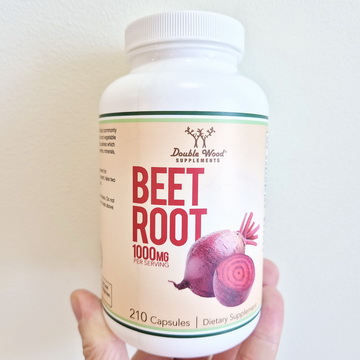
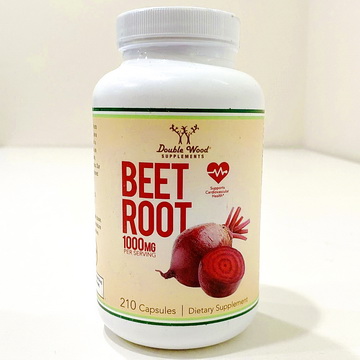 The American nutritional company Double Wood makes a certified organic beetroot supplement that comes in a big 210-capsule container and is great value on a daily dosage basis.
Taken at the recommended 2 caps a day, it will last you 3 ½ months. Yet it costs much less than 1 month of competitors like SuperBeets, Rosabella, Lemeli or GNC, all of which aren’t even organic.
The Double Wood brand also shows third-party safety, potency and purity testing certificates on its product pages. That’s particularly important with root vegetables like this that can absorb contaminants when grown in poor soils.
Ingredients
- Organic Beet Root: 1,000 mg
- Other Ingredients: Hypromellose Capsule, Vegetable Stearate, Rice Flour, Silica
- Serving Size: 2 Capsules
Servings Per Container: 105
Pros and Cons
Pros
- Certified organic and third-party safety tested for heavy metals and other contaminants. Certificates of analysis are shown on Double Wood’s website so you can check them yourself.
- Large 210-count bottle that lasts for 3 ½ months at the recommended daily dosage.
- Costs much less than non-organic rivals like Rosabella, GNC, Lemeli or SuperBeets, all of which only last for 1 month.
Cons
- Vegetable stearate, rice flour and silica in ‘other ingredients.’ These additives are common in supplemental beet products, since the red powder tends to clump without them.
Monthly Cost and Verdict
A single bottle of Double Wood’s 210 organic beet capsules is under $20. But the best value is with the further discounted double or triple packs, and the welcome discount for new customers. Together, they currently reduce the cost to just over $15 per bottle for the 2-pack and around $14 for the 3-pack.
That’s as low as $0.12 a day to take, which is hard to beat for a high-quality organic beetroot supplement. The only place to get these reductions is here on the company’s website.
If you scroll down on the same page, you can also see Double Wood’s certificates for third-party safety testing and ingredient purity and potency.
2. Nutricost Organic Beet Root Capsules — Bigger, Better and Cheaper
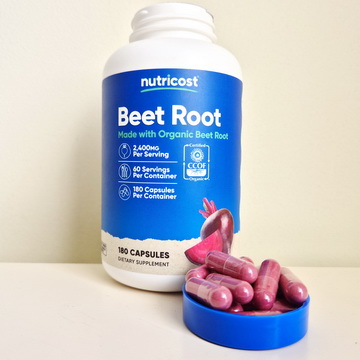 Nutricost is a large and well-known American brand that makes their supplements in an FDA-registered and GMP-compliant US facility. They also have third-party testing on all their products to meet safety, potency and purity standards.
Nutricost’s beetroot capsules are made from organically grown red beets, have minimal fillers, a big 2,400 mg serving size, and 180 capsules in each container for a 2-month supply.
I think they’re currently the best value organic beetroot capsules on the market and have them in my supplement cupboard at home.
Ingredients
- Organic Beet: 2,400 mg
- Other Ingredients: Pullulan Capsule, Magnesium Stearate, Organic Olive Oil
- Serving Size: 3 Capsules
Servings Per Container: 60
Pros and Cons
Pros
- Made from organic red beets and has organic olive oil in ‘other ingredients.’
- 60 daily doses of 2,400 mg, which is much higher than most other brands like SuperBeets, Zazzee or Horbäach.
- Third-party tested and encapsulated in a GMP-compliant facility in America.
- High star ratings and overall positive customer feedback across multiple big supplement retailers.
Cons
- None that I can see.
Monthly Cost and Verdict
Nutricost is a large, well-known and respected company that makes high-quality supplements in the USA and have a reputation to uphold. There’s too much for them to risk with poor products and I trust their safety testing and manufacturing standards.
Their beetroot capsules are organic, have a 2,400 mg serving size, and will last you for twice as long as most alternatives. They are available here on the brand’s Amazon store at a much lower price than inferior competitor brands like Rosabella, Lemeli or GNC.
3. Snap Heart Beets Supplement — Best Beet and CoQ10 Combination
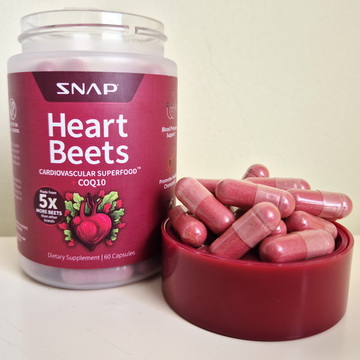 American brand Snap Supplements makes Heart Beets capsules. This product combines beetroot powder with coenzyme Q10, a nutrient strongly associated with heart health, and grape seed extract, which has been proven in studies to help moderate blood pressure levels.
It’s a smart cardiovascular combination because CoQ10 and the polyphenols in grape seed extract work through different but complementary mechanisms. This formula also contains antioxidant vitamin C and vitamin B12 for maintaining healthy homocysteine levels.
Ingredients
- Beet Root Extract: 1250 mg (4:1 Concentrate from 5,000 mg of Beet Root)
- CoQ10: 100 mg
- Grape Seed Extract: 50 mg
- Supplement Facts: Vitamin C (as Ascorbic Acid): 20 mg, Vitamin B12 (as Methylcobalamin): 10 mcg
- Other Ingredients: Vegetarian Capsule (Hypromellose), Magnesium Stearate (Vegetable Source), Bamboo Extract
- Serving Size: 2 Capsules
Servings Per Container: 30
Pros and Cons
Pros
- 1,250 mg of beet root extract, 100 mg of CoQ10 and 50 mg of grape seed extract per 2-capsule serving. The formula also contains antioxidant vitamin C and vitamin B12.
- 100 mg is recognized as a clinically effective dose of coenzyme Q10, a highly beneficial nutrient for cardiovascular health that’s rarely found in beet supplements.
- Well-regarded American brand. Made in the USA in a GMP-certified facility with minimal fillers.
- Comparatively good value for a beet, CoQ10 and grape seed supplement, a combination that can be hard to find.
Cons
- 30 day supply and lower dosage with Snap’s Heart Beets versus 2 months with Nutricost’s beetroot supplement above. The extra ingredients also make this product a bit more cost-wise than Nutricost.
Monthly Cost and Verdict
Snap’s beet, CoQ10 and grape seed capsules, with vitamin C and B12, are a well thought out and heart-healthy formula. Their 100 mg of added coenzyme Q10 is also the highest I’ve seen in a beetroot capsule brand.
They have a strong 4.6 out of 5 stars rating, and many customer reviewers say they found them noticeably beneficial for blood pressure moderation. You can find them here on this Amazon listing for less than competitors like SuperBeets, Zazzee or Rosabella.
4. Total Beets Capsules — Top Beet and Grape Seed Extract
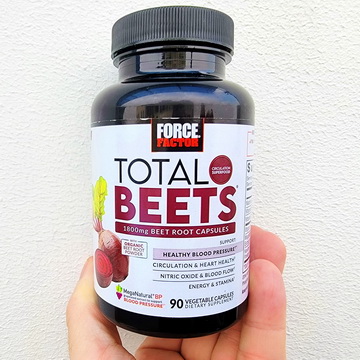 Force Factor’s Total Beets range are some of the most popular beetroot supplements in America. I’ve covered this brand in great detail in Total Beets vs SuperBeets, including their excellent powder and far less healthy chews.
For a brief summary, 3 Total Beets pills have 1,800 mg of organic powdered beet, 150 mg of concentrated grape seed extract, and a small amount of hawthorn berry powder. This product also contains vitamin B3 and B6 and a fairly high dose of B12.
Ingredients
- Beetroot Cardiovascular Blend: 1,975 mg
Organic Beet Powder (1,800 mg), MegaNatural-BP Grape Extract (150 mg), Hawthorn Berry Powder (25 mg) - Supplement Facts: Niacin (as Niacinamide): 20 mg, Vitamin B6 (as Pyridoxine HCL): 4 mg, Vitamin B12 (as Methylcobalamin): 50 mcg
- Other Ingredients: Hypromellose, Microcrystalline Cellulose, Dicalcium Phosphate, Vegetable Magnesium Stearate, Silica
- Serving Size: 3 Capsules
Servings Per Container: 30
Pros and Cons
Pros
- Made from organically grown produce, unlike the SuperBeets and Qunol brands below, Total Beets’ two biggest market rivals.
- Force Factor uses MegaNatural-BP in their beet products. This patented grape seed extract comes from Californian grapes, is standardized to 90% polyphenols, and has been shown in studies to support healthy circulatory function when taken regularly.
Cons
- Total Beets pills have 125% RDI for vitamin B3, 235% RDI for vitamin B6, and a significant 2083% RDI for vitamin B12. Many nutritional experts do consider the current RDIs for most B vitamins to be too low for optimal health, particularly vitamin B12. However, it’s important to be aware of these amounts if you are already taking a B vitamin supplement or multivitamin.
- More fillers versus Nutricost beet capsules or Snap Supplements Heart Beets above.
Monthly Cost and Verdict
Force Factor’s Total Beets is the bestselling beet and grape seed supplement on the market. This brand can usually be found at Costco, Walmart, Vitamin Shoppe, CVS, Sam’s Club, Kroger, Walgreens, Target, and other big retailers for $19.99.
It’s worth checking the current price here on Amazon. The multipack reductions there make sense if you take this product regularly. You can also read customer feedback and check for complaints or commonly reported side effects. With 4.5 stars out of 5 from over 3,800 consumer ratings, most people seem to like Total Beets capsules.
5. SuperBeets Capsules — Proven Effective
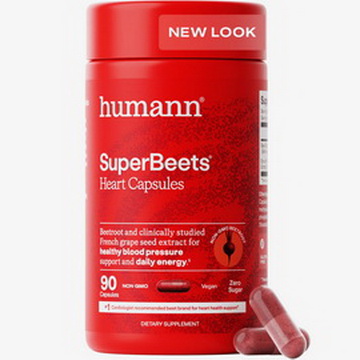 The American nutritional company Humann was one of the first to popularize the many health benefits of beet extract supplements over a decade ago. Their SuperBeets powders, capsules and chewables are well-known and backed by clinical research like this.
There’s much more on this brand in SuperBeets versus Total Beets. For a brief comparative summary, SuperBeets does not use organically grown produce like Total Beets, and it contains 1,000 mg of concentrated beet powder per 3-capsule serving versus 1,800 mg in Force Factor’s alternative.
SuperBeets Enovita grape seed extract, with 95% proanthocyanidins, could be considered slightly better compared to Total Beets MegaNatural-BP grape seed, which is standardized to 90% polyphenols. But I wouldn’t say that’s worth the price difference between these products.
Ingredients
- Nitric Oxide Support Blend: 1,150 mg
Beet Root Powder, Enovita Grape Seed Extract - Other Ingredients: Vegetable Capsule (Hydroxypropyl Methylcellulose), Tricalcium Phosphate, Plant-Based Magnesium Stearate, Silica
- Serving Size: 3 Capsules
Servings Per Container: 30
Pros and Cons
Pros
- Humann uses patented Enovita grape seed extract in their SuperBeets supplements. Enovita is 95% proanthocyanidins and has been shown in scientific studies to be beneficial for normalizing blood pressure when taken regularly.
- The company also says their product is sourced from American-grown and non-GMO beets with a higher ratio of nitrates and nitrites than competitors for better nitric oxide production.
- Nearly 10,000 customer reviews for SuperBeets capsules, with many positive consumer reports, and a strong 4.5 out of 5 star rating. This is clearly still a popular beetroot supplement in 2026.
Cons
- Not organic. Although Humann notes on its website that all its products are third-party tested for safety.
- For some strange reason, SuperBeets capsules aren’t currently available on humann.com. The company’s site seems heavily focused on pushing its Heart Chews. In my opinion, the tapioca syrup, sugar, citric acid, sunflower oil and other additives found in SuperBeets chewables make them far from healthy. Humann’s beetroot capsules are a much better option nutritionally.
Monthly Cost and Verdict
In terms of monthly costs and value, it’s helpful to compare SuperBeets with its 2 closest competitors, Force Factor’s Total Beets, and Qunol Blood Pressure Support next. Qunol’s beet supplement retail for $22.99, while Total Beets is usually $19.99 at big retailers.
By comparison, SuperBeets capsules are $24.95 for the 90-capsule tub and $39.95 for the better value 180-count container here on Amazon. Getting this product in the larger size makes it equivalent price-wise with Total Beets and less than Qunol below per month.
You can also find SuperBeets at Walmart, GNC, Walgreens, The Vitamin Shoppe, Harris Teeter, Kroger, and many other retail and online stores, though usually only in the smaller container.
6. Qunol Beets, CoQ10 and Grape Seed Review
 The Qunol brand makes a supplement they call Blood Pressure Support with a combination of beet powder, CoQ10 and grape seed extract. This product is a direct competitor to Heart Beets, Total Beets and SuperBeets above.
Like Snap’s Heart Beets, Qunol’s capsules contain coenzyme Q10, a nutrient proven to be important for cardiovascular health and beneficial for lowering high blood pressure.
Since CoQ10 is a key factor in evaluating Qunol’s beet supplement objectively, I contacted the company’s customer service and asked them just how much of it is in their capsules. Here’s their response:
“We would like to inform you that in one chew or capsule there is 30 mg of CoQ10. In one serving size, which would be 2 chews or capsules, there is 60 mg of CoQ10.”
According to medical resources, 60 mg of CoQ10 provides some moderate benefits. But doses of at least 100 mg are usually recommended based on published studies. So while the CoQ10 in Qunol’s supplement is definitely a positive, I wouldn’t say it automatically makes it better than Total Beets or SuperBeets.
Ingredients
- Qunol Proprietary Blend: 1,180 mg
Beet (Beta vulgaris) Extract, Enovita Grape (Vitis vinifera) Extract, NO3-T Nitrate (from Beetroot Extract, standardized to 10% Nitrate), Coenzyme Q10 - Other Ingredients: Hydroxypropyl Methylcellulose (HPMC) Capsule, Silicon Dioxide, Magnesium Stearate, Microcrystalline Cellulose
- Serving Size: 2 Capsules
Servings Per Container: 30
Pros and Cons
Pros
- Combines beet powder, grape seed extract and CoQ10 for a three-pronged approach to protecting your cardiovascular system.
- Qunol adds high nitrate NO3-T to their Beets+ CoQ10 supplement, an ingredient found in Total Beets powders but not capsules. They also use the same Enovita grape seed extract as SuperBeets.
Cons
- Unlike Total Beets, Qunol’s supplement is not made from organically grown beetroot. It also has 795 mg less powder overall versus Force Factor’s pills, but 30 mg more than SuperBeets capsules.
- The Qunol brand highlight their coenzyme Q10 but don’t list the amount on the supplement facts label. When I contacted them they told me there was 60 mg of CoQ10 serving, less than the 100 mg in Heart Beets.
Monthly Cost and Verdict
Qunol Blood Pressure Support is usually available in a 60-capsule bottle at Walmart, CVS, Target, and on the company’s website. It’s quite good but Heart Beets above also combines grape seed and CoQ10 at a higher dosage and lower price.
You can get Qunol Beets and CoQ10 for better value in the 120-capsule option here on their Amazon page. For some reason I couldn’t find this larger container available on any other retailers, or even on the company’s website.
7. Pure Beet Supplement — Bulk Option
 The brand Pure Original Ingredients offers beetroot capsules that come in a huge 730-count container. These will last you a whole year if taken at the recommended 2 a day dosage.
This option is better suited to people who take supplemental beets several times a day for their circulatory, detoxification and weight loss benefits. When you’re using them this often, it’s important to keep costs down and buying in bulk can certainly help with that.
Ingredients
- Beet: 1,000 mg
- Other Ingredients: Gelatin Capsules
- Serving Size: 2 Capsules
Servings Per Container: 365
Pros and Cons
Pros
- 730 beetroot powder capsules per tub. 365-day supply at the 2-pill suggested dosage.
- Free of fillers, unlike the majority of the competition.
Cons
- Not organic and the gelatin used for capsules means that this product is not vegan.
- Pure Original Ingredients has a website, but there’s barely any information on it, and nothing specifically on their beets product.
Monthly Cost and Verdict
Pure beetroot capsules cost more initially than SuperBeets, Rosabella, Lemeli, Spring Valley, Horbäach, Zazzee, or any other competitor brands in this guide. Yet on a per-serving basis, they work out to be one of the cheapest to take daily.
With 730 capsules in the tub, a 2-daily dosage will last you for an entire year and works out to just $0.10 a day. You can find the Pure Original Ingredients brand on Amazon, but unfortunately they are often out of stock.
8. Nautical Elements Beet Root Capsules — Organic Alternative
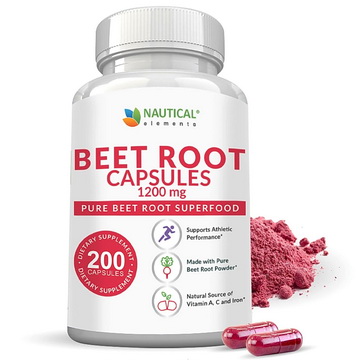 Nautical Elements is a family-owned nutritional company based in Phoenix Arizona. They make a simple but good value organic beetroot supplement sold in a large 200-capsule container.
Nutricost organic beetroot above is comparatively superior, with a similar capsule count at a lower price. But Nautical Elements beet capsules are much better and cheaper than TikTok brands like Rosabella or Lemeli beetroot below.
Ingredients
- Organic Beetroot Powder: 1,200 mg
- Other Ingredients: Vegetable Capsule (HPMC), Rice Flour
- Serving Size: 2 Capsules
Servings Per Container: 100
Pros and Cons
Pros
- Organically grown and 100 servings per container. Over 3 months supply when taken as directed, though the 2 capsule dosage is a bit low. Taking at least 3 a day would be more beneficial.
The brand say their beet supplement is non-GMO, gluten-free, has no artificial ingredients and is manufactured in a cGMP facility in the USA. Rice flour is the only filler.
Cons
- Nautical Elements marketing images include the statement: “Powerful formulation packed with vitamins, minerals, essential antioxidants, fiber, betaine and flavonoids.” I think this is misleading. The product is pure beetroot powder without added vitamins or minerals. Some of the nutrients listed, such as zinc, would likely be present only in trace amounts. Beetroot is also not a source of vitamin B12, which is listed as well.
Monthly Cost and Verdict
Nautical Elements beet capsules are available in the 200 count bottles for $21.95 at Walmart. That works out to about $0.22 a day for the recommended daily dose.
I can also see them in 3 different sized containers here on the brand’s Amazon page. There’s over 16,900 consumer reviews and ratings for Nautical Elements beet root extract there with an average rating of 4.5 stars out of 5. Customer pictures on capsules size and color are also helpful.
9. Horbäach Beet Root Capsules — Not as Good as They Look
 Horbäach’s beet extract supplement seems great at first glance — 320 capsules per bottle, 8,000 mg, and under $20. But you need to look closer to find out the truth.
That 8,000 mg figure, prominent on the front of the container, is a bit deceptive in my opinion. It’s based on a 20:1 extract, said to be equivalent to 8,000 mg of the fresh vegetable.
All Horbäach’s competitors are drying and processing fresh beet roots into a fine powder extract. Many likely use more than 8,000 mg of the original vegetable to obtain the powdered product they then encapsulate.
It’s standard practice to list the amount of extract per serving, not the weight of the source material. The way Horbäach’s beetroot supplement bottle is printed could lead customers to believe it has an 8,000 mg dosage of powder, versus the 1,000 mg in brands like SuperBeets or Spring Valley. In fact, the correct figure for this product is only 400 mg per serving.
Ingredients
- Beet Root Extract (Beta vulgaris): 400 mg (a 20:1 Extract Equivalent to 8,000 mg of Beetroot)
- Other Ingredients: Gelatin Capsule, Rice Flour, Magnesium Stearate, Silica
- Serving Size: 1 Capsule
Servings Per Container: 320
Pros and Cons
Pros
- 320 capsules per bottle and usually under $20.
Cons
- Not organic and uses gelatin capsules so not vegan.
- Printing a large 8,000 mg on the front of Horbäach’s container could confuse and mislead customers. There is a ‘**’ next to this, and ‘Equivalent from 400 mg of 20:1 extract’ is printed in small text on the back of the Nutrition Facts label.
Monthly Cost and Verdict
I considered listing Horbäach beet root supplement as one to avoid due to the confusing labeling described above. But doing the math, they are still reasonably good value compared to other budget options like Zazzee, Spring Valley, or NusaPure. You can usually get this product for $19.99 at Walmart and other big retailers, as well as the company’s homesite horbaach.com.
The suggested daily dose of just a single 400 mg pill is clearly too small. You’d want to take at least 3 to get a comparable dose to Total Beets or Rosabella. But with 320 capsules in the bottle, that still gives 106 daily doses and works at around $0.19 per 1,200 mg. Not as good value as Double Wood above, but still relatively competitive.
10. NusaPure Beet Root Capsules Review
 The NusaPure brand makes the same 8,000 mg serving size claim as the Horbäach beet capsules directly above. As explained there, I think printing product labels and marketing images with such a high figure is a bit deceptive and misleading.
It’s based on a 20:1 extract of fresh red beetroot. But all whole food supplement manufacturers extract powder from a much higher weight of source produce, and NusaPure isn’t 8 times stronger than SuperBeets or Nutricost.
Given this, I almost added NusaPure to the brands worth avoiding at the end of this guide. They do use organically grown produce though, and have 200 capsules per container. That’s more than Zazzee below, who are also making similar inflated claims, so NusaPure just made it into my top 10 beetroot supplements for 2026.
Ingredients
- Beet: 400 mg (Beta vulgaris) (a 20:1 Extract Equivalent to 8,000 mg of fresh Beet Root)
- Black Pepper Extract 4:1 (10 mg)
- Other Ingredients: Cellulose Capsule, Rice Flour, Silica, Magnesium Stearate
- Serving Size: 1 Capsule
Servings Per Container: 200
Pros and Cons
Pros
- NusaPure uses organically grown beetroot and has 200 capsules per container.
Cons
- Like Horbäach and the Zazzee brand below, I personally find the advertised 8,000 mg equivalent per capsule claim a bit of a scam and think it could mislead customers. The real figure, as shown on the nutrition facts label for NusaPure beets, is 400 mg.
Monthly Cost and Verdict
The suggested daily dose of a single 400 mg capsule is much lower than most of NusaPure’s competitors. Realistically, at least 3 caps daily would provide more benefits. At this intake, the product would last you for a little over 2 months.
With a retail price of $23.22 on the NusaPure website, that works out at around $0.35 for the higher 3 a day dosage. Nutricost above offers organic beetroot supplements with a much higher dosage and a lower daily cost to take.
5 Beet Supplement Brands Worth Avoiding and Why
The following 5 brands make beetroot supplements that heavily promoted, sold in large retail outlets, and appear to be popular. Unfortunately each of them has something wrong with them in my opinion.
In this section I’ll explain why I’d steer clear of Rosabella, Lemeli, Zazzee, Spring Valley and GNC’s beetroot powder capsules.
1. Rosabella Beet Root Capsules — Red Flags and Poor Ratings
 Rosabella is a brand heavily promoted by ‘influencers’ on TikTok and Instagram. They seem to be pushing the company’s moringa pills more heavily at the moment, but there are also many videos on Rosabella beet capsules.
There’s nothing special about Rosabella’s beetroot supplement versus better alternatives like Nutricost or Force Factor. What concerns me is the high number of customer complaints about this brand on TrustPilot, BBB and online forums like Reddit.
Ingredients
- Organic Beetroot Powder: 1,300 mg
- Other Ingredients: Hypromellose Capsule, Microcrystalline Cellulose, Magnesium Stearate
- Serving Size: 2 Capsules
Servings Per Container: 30
Pros and Cons
Pros
- According to Rosabella’s marketing images, this product is made from organic beetroot and manufactured in a cGMP facility in the USA.
- Rosabella also says their products are lab-tested and free from gluten, dairy and artificial additives.
Cons
- I found several fake websites during my research for this Rosabella review. One site was very poorly done with text all over the place, broken pictures, a strange contact email of “@serviceteam.vip”, and significantly higher prices than other stores.
- There are also dozens of influencer TikTok videos on Rosabella supplements with titles like “How To Spot A Fake” and “How To Not Get Scammed”. It seems like this is a real issue with this brand for some reason.
Monthly Cost and Verdict
At the time of writing this guide, it was difficult to tell which of the 3 Rosabella-branded websites in the search results was the correct one. All 3 listed products at different prices, and all were much more expensive than the Rosabella beet capsules on Walmart or Amazon.
Given the significant potential for fakes, I’d suggest only getting Rosabella products from reputable retail stores if you really wanted to try them, not through branded websites or some TikTok or Instagram link.
It’s hard to see why anyone would choose Rosabella over Double Wood beet capsules though. The later uses certified organic beetroot powder, has a far higher capsule count, much lower costs per serving, and is third-party tested so you know they’re safe to take.
2. Lemeli Beetroot Capsules Review
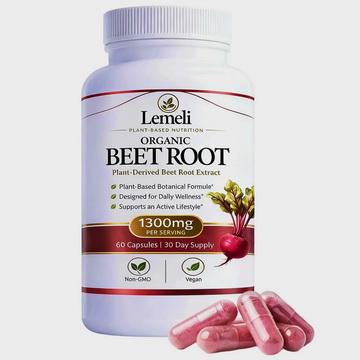 The brand Lemeli makes a beet supplement that’s popular on Instagram, TikTok and other social media. This product has the same 1,300mg of beetroot powder serving size and 60 capsules as the Rosabella brand above. It also has the same microcrystalline cellulose and magnesium stearate fillers.
There’s been a wave of imitators copying the success of Rosabella’s beetroot pills in recent years. Given the identical formula, and similar marketing tactics, I suspect Lemeli beetroot capsules is one of them.
Ingredients
- Organic Beetroot Powder: 1,300 mg
- Other Ingredients: Hypromellose Capsule, Microcrystalline Cellulose, Magnesium Stearate
- Serving Size: 2 Capsules
Servings Per Container: 30
Pros and Cons
Pros
- According to the Lemeli site there is 1,300 mg of organic beet powder is each 2-pill serving, though like Rosabella, no organic certification is displayed. There is “USDA Compliant” displayed on one marketing image but this is not a term used by serious supplement manufacturers.
- Other images note this product is lab-tested and free from gluten, soy and dairy.
Cons
- Lemeli’s website sells a single bottle of this product for $34.99. This is supposedly half-price yet it still very expensive for such an average product.
- This brand’s website and social media marketing leans heavily into the health benefits of beetroot, without explaining why their beet capsules are any better than less costly competitors.
- Like Rosabella, Lemeli has several imitators and copycats being sold online. These fakes either use close misspellings, such as Lemili or Lamelo beetroot supplement, or have different images and branding on the labels.
Monthly Cost and Verdict
In my opinion, Lemeli beetroot capsules are a good example of why it’s so important for consumers to do their research and not blindly trust social media influencers. There’s nothing special about this product. It’s just regular beet powder capsules at a highly inflated price point.
You could get Snap’s Heart Beets above, with added CoQ10, grape seed extract, vitamin C and B12, at $15 less per month for a far more effective heart health supplement.
3. Zazzee Beet Root Extract — Comparatively Weak
 Zazzee Naturals sells a red beet extract that has the same confusing labeling I described with Horbäach and Nusapure above.
This product has ‘8,000 mg strength’ printed on the front label and displayed in marketing images. In fact, the suggested daily dose is only a single 400 mg capsule, far lower than most of the competition in this beet supplement review.
Zazzee also claims there is a 4-month supply. But that’s only true if you’re taking much less than the usually recommended 1,000 mg or more serving size of other rival brands.
Ingredients
- Organic Beet Root 20:1 Extract: 400 mg (Beta vulgaris)
- Other Ingredients: Pullulan Capsule, Organic Rice Hulls, Organic Rice Extract Blend
- Serving Size: 1 Capsule
Servings Per Container: 120
Pros and Cons
Pros
- Zazzee beetroot extract capsules are certified organic, which is a definite plus. The company also says they are made in the USA in a cGMP facility, non-GMO and vegan.
Cons
- Only 400 mg per serving, yet Zazzee Naturals claims its product is “20X stronger than standard beet root capsules” without providing any evidence.
Monthly Cost and Verdict
Zazzee’s beet supplement has 120 capsules and only 400 mg per daily dose, yet goes for $24.97 at Walmart and on their own website. By comparison, Nutricost above offers 180 organic beetroot capsules and a 2,400 mg serving size for much less. It seems like an easy choice to me.
4. Spring Valley Beet Root Capsules — Nothing Special
 Spring Valley offers 500 mg beetroot pills that are available at Walmart, Target, Kroger and other retailers. This brand is not organic, nor particularly well-priced, and I can see no reason to recommend Spring Valley’s beet product over any of the 10 better alternatives above.
Ingredients
- Beet (Beta vulgaris): 1,000 mg
- Other Ingredients: Gelatin Capsule, Rice Powder, Vegetable Magnesium Stearate, Silica
- Serving Size: 2 Capsules
Servings Per Container: 45
Pros and Cons
Pros
- Just the regular beetroot health benefits. This brand offers nothing special when compared with the superior options earlier in this guide.
Cons
- Spring Valley doesn’t use organic produce and there’s no information about product sourcing or safety testing that I could find on their website.
- Made with gelatin capsules, which makes this product unsuitable for vegetarians or vegans.
- Spring Valley also sells sugary beet gummies, which are not much better than candy nutritionally.
Monthly Cost and Verdict
There were a wide range of different price points for Spring Valley’s product when I was researching this beetroot supplement guide. I saw them available at Walmart, Target, Kroger and Harris Teeter, but not at Costco, CVS or Walgreens.
They could be a reasonable option if you can only shop at a retail store and can’t find anything else. However, organic brands like Nutricost, Total Beets and Nautical Elements provide much better value per serving for a safer supplement.
5. GNC Beet Root Supplement — Full of Additives
 Last and least, GNC beet root powder capsules are very poor when compared with all the other brands I’ve researched for this guide. I guess they rely on enough people coming into their stores and not checking ingredient labels.
If a customer did, they’d see that GNC’s beet product is loaded with additives. I count 9 of them in total, but the most concerning of these are carrageenan, gellan gum, calcium silicate and talc.
Both carrageenan and gellan gum have gastrointestinal discomfort as a potential side effect. Studies suggest carrageenan can cause digestive inflammation and increase the permeability of the intestinal lining. Gellan gum may also interfere with the absorption of certain medications.
This 2-year animal study on calcium silicate showed “there was evidence of silicon accumulation in the liver and kidney.” Calcium silicate is also known to interact with other nutrients, potentially affecting their absorption. It makes no sense for this additive to be in a nutritional supplement.
Talcum powder has been the subject of many lawsuits in recent years. While it’s still lazily used as a supplement filler by some companies, it’s not something I would want to see on the ingredients label of a product I’m taking to benefit my health. Especially given that new potential risks like these keep on being discovered.
While the amounts of these additives and fillers may be small, none of the other 14 beetroot extract brands in this guide found any reason to use carrageenan, gellan gum, calcium silicate or talc in their products. I can’t understand why GNC still does.
Ingredients
- Beet (Beta vulgaris) Root Powder: 1,000 mg
- Other Ingredients: Microcrystalline Cellulose, Hydroxypropyl Methylcellulose, Hydroxypropylcellulose and less than 2% Calcium Silicate, Carrageenan, Gellan Gum, Magnesium Stearate Vegetable Source, Silicon Dioxide, Stearic Acid Vegetable Source, Talc
- Serving Size: 2 Capsules
Servings Per Container: 45
Pros and Cons
Pros
- None that I can see versus any of the other alternatives in this review of beetroot supplements.
Cons
- GNC beet pills have too many unnecessary fillers. Carrageenan, gellan gum, calcium silicate and talc are particularly concerning.
- They are also overpriced in comparison to the competition in 2026.
Monthly Cost and Verdict
GNC sells its beetroot pills for $26.99 at Walmart, in its stores and on gnc.com. To my mind, they are a strong example of why it’s so important for customers to check ingredient labels before deciding on any supplement.
Best 3 Beet Supplements Overall
 After many long days of researching the current beet supplement market, 3 brands stand out for their quality, trustworthiness and value for money.
All are made by established American companies with good reputations, are independently tested for purity and safety, and are much better value than the vast majority of their competitors.
1. Double Wood Organic Beet Supplement
Double Wood’s beetroot capsules come in a big 210-count container that will last you 3 ½ months. It’s hard to beat their prices, especially if you combine the welcome discount with one of the reduced multipacks here on their site.
This American brand has its third-party purity and safety testing certificates right on its product pages, so you can check them for yourself and see that it’s safe to take. The only con is that they can often sell out.
2. Nutricost Organic Beetroot Capsules
Nutricost is a well-known brand with a strong reputation for high-quality supplements at low prices. Their beet capsules are available in a large 180-count bottle with a far bigger 2,400 mg daily serving than most competitors.
Certified organic, third-party tested and made in a FDA-registered and GMP-compliant US facility, Nutricost’s beet supplement is both safer and much better value than most rival brands and available here on their Amazon page.
3. Snap Supplements Heart Beets
Snap’s beetroot capsules combine powdered beets, grape seed extract, vitamin C, B12, and a clinically effective 100 mg dose of coenzyme Q10. There’s less capsules in the bottle versus Nutricost, but for customers with cardiovascular concerns this is an impressive formula from a respected American brand.
Consumer reviews are positive, with a 4.6 out of 5 star rating, and with it’s added CoQ10 and grape seed, I think Heart Beets capsules by Snap are well worth considering. You can find them here on the brand’s Amazon store.
It’s hard to go wrong with any of these 3 top brands in my opinion. I could understand why a heavy user of beet extracts might choose Pure Original Ingredients’ huge 730-count container. Or if a customer wanted to compare the well-regarded Total Beets, Qunol or SuperBeets capsules. But my verdict for the 3 best beet supplements on the market in 2026 is Double Wood, Nutricost and Heart Beets.
Who Shouldn’t Use Beet Pills?
Beetroot side effects aren’t common, but there are a few precautions to be aware of before starting on beet dietary supplements.
- If you are on prescriptions for cardiovascular issues or regulating blood pressure, it’s important to talk to your doctor before using these products. Men should also avoid having them near the same time as pills for ‘bedroom performance’.
- If you have kidney stones, or are at risk of them, check with your physician before having high doses of this vegetable. Beets contain oxalates, which most people easily eliminate, but may be a problem if you are susceptible to kidney stone formation. Gout sufferers should also consult their doctor before having high doses of beetroot with its oxalates.
- People with IBS and those sensitive to FODMAPs should start with a low dose of beet extract supplements to check their tolerance. This veggie has both galactooligosaccharides and fructans, which may cause bloating, excessive flatulence, and even diarrhea with these conditions.
It’s also worth knowing that a side effect of having large doses of beet root can be some red or pink in the toilet bowl after you go. This is called beeturia and is harmless and nothing to worry about.
When to Take Beets for Best Results
 Mornings are the ideal time to get the benefits of beets into your diet. Whether you make up a fresh beet juice, eat them, stir up a powder, or take a couple of beet capsules, you’ll feel the effects of their nitrates, betalains, and other nutritional elements best at the start of the day.
I usually have my beet powder or 2-3 capsules before breakfast and the extra energy and mental clarity is noticeable before too long. Nutritionists and health authorities often say it takes 2 to 3 hours for the nitrates in this red veggie to increase nitric oxide production in your body. But many people, like myself, feel positive effects much sooner.
You can also use beet extracts after lunch to help avoid that mid-afternoon slump. Although having them in the evening can be a bit too energizing before bed and may affect your sleep.
Beetroot capsules are more convenient to take than powders. They also avoid any issues with this root vegetable’s ‘earthy’ taste. But it’s hard for them to match the value per serving of powdered beet products.
If you’d consider mixing up and drinking bright red ‘beet water’, instead of popping pills, here are the top 12 beet powders in 2026, along with 8 brands I wouldn’t take.
Thank you for reading my guide to the best beetroot supplements and the ones worth avoiding. I hope it has helped you find a good way to get more of this potent red superfood into your daily diet.
Let me know in the comments below how beet capsules have worked for you, and any other brands you’re interested in me checking.