
7 Benefits of Bibhitaki, Best Supplements, Side Effects, Dosage & Timing
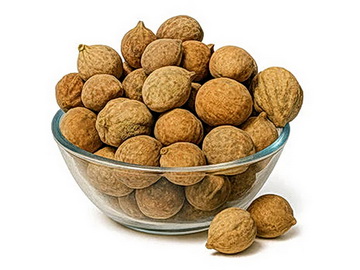 Bibhitaki is one of the most revered healing fruits in traditional Ayurvedic medicine. Known as the “one who keeps away disease,” this potent superfood has been used for thousands of years across different parts of Asia.
Yet most people in the West have never heard of it. That’s a shame, but modern research is now confirming what ancient healers have known for thousands of years: that using bibhitaki powder can have many beneficial effects for your health and wellbeing.
Here’s a detailed look at bibhitaki’s proven health benefits, how you can use it effectively, recommended dosage and timing, potential side effects, and where to find organic bibhitaki powder and capsules in America.
What is Bibhitaki?
Bibhitaki (known botanically as Terminalia bellirica) is a large deciduous tree native to the Indian subcontinent and Southeast Asia. It has small green to yellow-colored fruits and they are the part used medicinally.
In Hindi, the fruit is known as baheda, bahera or bahira. In Sanskrit, it is called vibhitaki or vibhitaka, which translates to “fearless of disease,” or “the one who keeps away disease.” Other common names include belleric myrobalan, bedda nut tree and beach almond.
Bibhitaki is one of three fruits used to make triphala churna, perhaps Ayurveda’s most famous herbal formulation. While haritaki is considered the “mother of herbs” and amalaki (amla) is prized as a powerful rejuvenator, bibhitaki brings its own distinct properties to the classic triphala formula.
7 Potent Bibhitaki Health Benefits
Research on bibhitaki has shown this superfood to have potent and wide-ranging pharmacological activities. Here are 7 of its most well-known benefits from published scientific studies.
1. Strong Antioxidant Protection
Terminalia bellirica fruit is rich in polyphenols, particularly gallic acid and ellagic acid, as well as tannins like chebulagic acid and corilagin. These beneficial compounds scavenge harmful free radicals in your body and reduce oxidative stress at the cellular level.
Oxidative stress is known to contribute to chronic inflammation, cardiovascular damage, aging, and the development of many different diseases. The concentrated phenolic compounds in bibhitaki have significant free radical scavenging activity, as shown in this synthesis of published studies.
Another 2025 publication titled “Antioxidant and Anti-Inflammatory Properties of Terminalia Bellirica: A Comprehensive Review of its Therapeutic Potential in Chronic Disease Management” praised this plant’s antioxidant properties and recommended it for chronic disease prevention.
2. Bibhitaki Reduces Inflammation
The root cause of many modern diseases is chronic inflammation. Bibhitaki has bioactive compounds like gallic acid and chebulagic acid that work to inhibit key inflammatory pathways within your body.
Scientific studies like this one have shown that an extract of Terminalia bellirica fruit suppresses pro-inflammatory cytokines and modulates NF-κB signaling. These beneficial properties work to reduce joint pain from both osteoarthritis and rheumatoid arthritis.
They can also help with metabolic conditions and cardiovascular disease, though always consult your physician first before taking natural remedies if you are being treated for serious illnesses.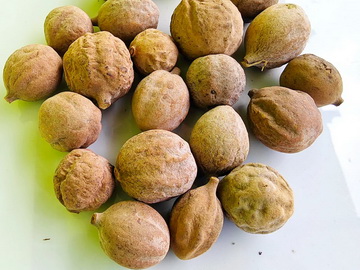
3. Beneficial for Digestive Health and Weight Loss
Bibhitaki is known as a classic digestive tonic in Ayurvedic medicine. It has dual actions in the way it works.
First, its astringent properties firm up loose stools and help prevent diarrhea. At the same time, its mild laxative effects can help to relieve constipation when needed.
It sounds strange that a herbal remedy could treat both diarrhea and constipation. But by improving your intestinal health, bibhitaki can potentially help with both conditions.
The tannins in Belleric myrobalan have astringent and antidiarrheal effects. While the fruit pulp and oils in the seeds provide a gentle laxative action when you’re blocked.
Taking bibhitaki powder regularly, like this organic one that I use, can improve digestive function and supports healthy gut flora, both of which have been shown to aid natural weight loss.
4. Bibhitaki Protects Your Liver
The fruit of the Terminalia Bellirica tree has been shown to have hepatoprotective activity in animal studies like this. Its ellagic acid, gallic acid and corilagin protect your liver cells from damage caused by toxins, alcohol and certain pharmaceuticals.
These polyphenolic compounds work by boosting your liver’s own antioxidant enzymes, such as glutathione and superoxide dismutase, while also reducing damaging lipid peroxidation within liver tissue.
5. Supports Respiratory Health
This is one of the herb’s most traditionally recognized uses. The Ayurvedic text Charaka Samhita lists vibhitaka as one of the Kasahara herbs, specifically used to relieve coughing and congestion in the respiratory tract.
Bibhitaki can act as both a bronchodilator and an expectorant. It helps loosen and clear mucus from the airways. Its Kapha-pacifying properties make it particularly suitable for conditions with excess mucus production, like a chronic cough, bronchitis or asthma.
6. Metabolic Health Benefits
Bibhitaki shows promise as a natural agent for better metabolic health. Studies have demonstrated both antidiabetic and anti-hyperlipidemic activity in animal models.
Gallic acid, one of the main phenolic acids in bibhitaki, enhances glucose tolerance while improving lipid profiles and lowering LDL-cholesterol. This Ayurvedic herbal remedy also contains beta-sitosterol, a beneficial phytosterol known to inhibit intestinal cholesterol absorption.
7. Antiparasitic and Antimicrobial Activity
Bibhitaki extracts have shown broad-spectrum antimicrobial action against various bacteria, yeasts and even parasites. The tannins and gallic acid in the fruit can disrupt microbial cell membranes and inhibit the formation of the biofilm that harmful organisms use to protect themselves.
Research has documented activity against common pathogens, including Staphylococcus aureus, Escherichia coli and Candida species. These properties make powdered bibhitaki a useful antibacterial treatment, both when you take it internally, and if used topically for skin infections or wound healing.
How to Take Bibhitaki Churna
Bibhitaki churna (powder) is best taken in the morning on an empty stomach before breakfast. Mix the fine brown powder into warm water (not cold) and stir it up well before drinking it down.
Certified organic powder, like this one I get, is best if you can find it. Though bibhitaki isn’t as well-known as triphala, amla or haritaki in America and buying options can be limited.
Powdered bibhitaki mixed in water doesn’t need to sit to increase its potency like triphala churna, though waiting for 5 to 10 minutes before drinking it can soften the taste a little.
It’s recommended to start with a low dosage the first time to test your tolerance, such as a ¼ teaspoon. If you have no negative side effects with this amount, then you can increase the dose to ½ a teaspoon and then a full teaspoon.
Some Ayurvedic resources recommend up to 6 grams of vibhitaki churna daily, taken once or twice a day, preferably in the morning and evening. These higher doses can provide more benefits, but also increase the risks of side effects.
How Does It Taste?
I don’t think bibhitaki powder mixed in warm water tastes that bad. It’s definitely a bit easier to drink the first time than triphala.
It’s astringent so you will have a slight dryness and mouth-tightening, similar to drinking a strong cup of black tea with an earthy flavor.
If you suspect the taste of this Ayurvedic herb could stop you from taking it regularly, then consider using bibhitaki capsules instead. These can be even harder to find than the powder, but Dr. Wakde’s makes a good filler-free one here on Amazon.
3 Other Ways to Use Bibhitaki
Fresh baheda fruit is rarely eaten and you’re unlikely to find it available in America, even in Indian markets. This superfood is usually used in dried and powdered form. Apart from mixing bibhitaki churna in warm water, or taking the capsules, here are 3 other ways it can be used to improve your health.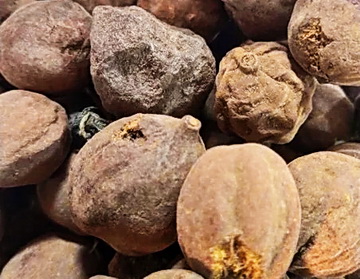
1. Topical Application
To use bibhitaki topically, a paste can be made by mixing the powder with just enough water or coconut oil to make it easy to spread. It shouldn’t be watery. This baheda paste can be applied to skin irritations, for healing wounds, or to your scalp to improve hair health.
2. As a Vibhitaki Decoction (Kwath)
To make a decoction with this herb, you boil 3 to 5 grams of powdered vibhitaki in 200 ml of water. Keep it boiling until the liquid is reduced to about 50 ml. Strain if desired and drink the thick brown liquid warm.
Vibhitaki decoctions are traditionally recommended for persistent coughs, sore throats and lung congestion. They may work well for this purpose but I would be concerned that boiling the powdered herb for this long would destroy many of its beneficial antioxidants.
3. Taking Triphala
Most people who take bibhitaki probably don’t know it. That’s because they are using triphala and it is one-third of this famous and very popular Ayurvedic formula. There are detailed instructions for how to take triphala powder here.
Bibhitaki Side Effects and Precautions
Bibhitaki is generally considered safe and unlikely to cause side effects when taken in normal doses. This herbal superfood has a long history of use in traditional Ayurvedic medicine and has been safely used for thousands of years without commonly reported negative issues.
There are some precautions that it’s important to be aware of though:
- Avoid when pregnant or breastfeeding: It’s recommended to avoid herbal remedies like this during pregnancy or when a woman is breastfeeding. Ayurvedic texts note that vibhitaki is kashaya (astringent) and ruksha (drying), which may aggravate vata and potentially disturb fetal development or lactation. Bibhitaki’s detoxifying actions are best avoided during the nourishing periods of pregnancy and breastfeeding.
- Be careful with excessive dosages: Higher doses of this herb may cause gastrointestinal issues like stomach cramps, belly bloating and loose stool. Its astringent tannins may also cause dryness in your body if used in excess.
- Don’t take before surgery: It’s important to stop taking bibhitaki churna for at least two weeks before you have scheduled surgery. It may have an unwanted effect on blood clotting.
- Avoid while taking prescriptions for blood thinning or blood sugar: Always talk to your physician first before using natural remedies if you are on important prescriptions. Also avoid taking them around the same time as they may interfere with their actions.
- Vata precautions: In Ayurveda, vibhitaki is not recommended for people with strong vata constitutions, who tend toward dryness in their bodies. Its ruksha (drying) quality may increase this tendency.
Bibhitaki for Better Health and Wellbeing
Bibhitaki is an Ayurvedic superfood that can have many positive effects on your health and wellbeing. It’s high in antioxidant polyphenols, like ellagic acid and gallic acid, as well as corilagin, chebulagic acid and other beneficial tannins.
These compounds have antioxidant, anti-inflammatory, metabolic, gastrointestinal and hepatoprotective benefits that are now being proven in published scientific research.
It’s particularly good for respiratory and digestive health, liver protection, and combating chronic inflammation throughout your body. Though for best results you need to take it regularly, ideally in the morning before breakfast.
Best Bibhitaki Powder and Capsules
If you’d like to see how bibhitaki works for you, the simplest way is to get an organic powder, like this Banyan Botanicals one, mix it up in warm water and drink it on an empty stomach. Start with a low dosage like a ¼ teaspoon, then build up to ½ and then a full teaspoon if there are no side effects.
If you’re worried about the taste of this indian herbal remedy, there are organic capsules available, like these ones by Dr. Wakde’s. You can also get bibhitaki into your diet by taking triphala powder, tablets or capsules.
Have you tried bibhitaki churna before? Or one of the other Ayurvedic superfoods haritaki and amla (amalaki)? If so, I’d be interested to read about your experiences in the comments below. Thank you for reading my guide to the benefits of bibhitaki. I hope it has been helpful.