
18 Beet Juice Benefits, Side Effects, How to Make It and Why It Works
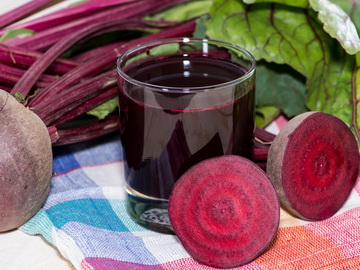 Deep red beetroot juice is loaded with nutrition and has a wide range of health benefits for people who drink it regularly. While the fiber is removed with juicing, beet nutrients, like its antioxidant betalains and nitric oxide-boosting nitrates, are highly concentrated and bioavailable.
Ahead are 18 beneficial effects of juiced beets backed by science, potential side effects and precautions, how to make it and when to drink it for best results, and the 2 best beetroot juice products if you don’t have time to make it fresh every day.
I’ll also compare drinking beet juice vs taking beetroot capsules, chews, gummies and whole beets powder. You can skip ahead to any section you’re interested in using the table of contents below. Let’s get started.
18 Health Benefits of Beetroot Juice
Freshly juiced red beets are a rich source of many different nutritional compounds your body needs. While it has good levels of B vitamins, potassium, vitamin C, manganese and other minerals, its real value comes from nutrients rarely found in other food sources.
These include antioxidant and anti-inflammatory betalains, protective betaine for your liver and heart, and nitric oxide-raising nitrates for more energy and better cardiovascular health.
Ahead are 18 main beet juice benefits I’ve found in my research. I hope there are more than enough reasons here to start making it part of your regular daily diet.
1. Beetroot Juice Boosts Nitric Oxide for Lower Blood Pressure
Beet juice is a popular natural remedy for lowering blood pressure and there’s good science behind it.
The nitrates in beets convert to nitric oxide within your body, which relaxes your blood vessels and improves blood flow. This vasodilation effect can lead to meaningful reductions in BP numbers, especially in people with already elevated levels.
This clinical trial found that drinking 250ml of beetroot juice daily for 4 weeks reduced blood pressure by about 8/4 mmHg in hypertensive patients. These positive effects started within a few hours of drinking it. People with high blood pressure saw the biggest benefits but even those with normal BP experienced some reduction.
You need to take beet juice regularly though for noticeable results. Freshly made is best but that can be hard to do with a busy lifestyle. A good powdered beetroot juice, like this cold pressed and organic one I get, is an easy way to get more nitric oxide-boosting nitrates and antioxidants into your daily diet.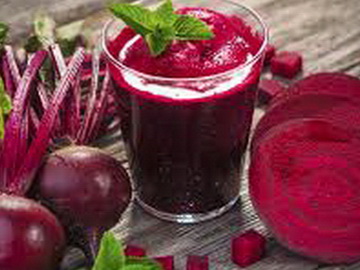
2. Good for Cardiovascular Health and Circulation
Beyond just lowering blood pressure, drinking beet juice supports your cardiovascular system in several ways. The improved blood flow from increased nitric oxide helps deliver both oxygen and nutrients throughout your body more efficiently.
The nitrates and antioxidants in beets protect your blood vessels from oxidative damage and help keep arteries flexible as you age. This research concluded, “In human studies to date, beetroot supplementation has been reported to reduce systolic and diastolic blood pressure, inhibit platelet aggregation, improve vascular and endothelial function, reduce blood glucose and improve homeostasis, and possess reno-protective properties.”
Better circulation from beetroot juice may help with headaches caused by poor blood flow. Some people have reported improvements in their neuropathy symptoms from regular consumption as well.
Beet juice also contains a compound called betaine which reduces homocysteine levels, an amino acid that’s linked to heart disease when elevated. Betaine, also known as trimethylglycine, is water-soluble so it will be more concentrated when beetroots are juiced.
3. Drinking Beet Juice Can Improve Your Exercise Performance, Stamina and Workouts
Many runners, cyclists and athletes drink beet juice before training to improve their performance. Its nitric oxide-boosting properties can increase oxygen delivery to working muscles. This helps you exercise for longer before getting tired.
Studies like this show that beet juice is especially beneficial for endurance sports like running and cycling, where oxygen efficiency really matters. Researchers found that drinking beet juice around 2 to 3 hours before exercise improved time to exhaustion measurements by up to 16% in trained athletes.
High-intensity interval training and gym workouts also benefit from this improved blood flow and enhanced oxygen utilization. If you want to try drinking beet juice before your workout, the best time to have it is about 2 hours before you go to the gym.
4. Inflammation Fighter
The betalains that give beets their deep red color are potent anti-inflammatory compounds. These pigments, along with other antioxidants in beet juice, such as various phenolic compounds, help reduce inflammation throughout your body.
Studies show betalain reduces inflammatory markers, such as C-reactive protein and interleukin-6. This research also demonstrated that drinking beet juice was better than eating cooked beets for both blood pressure and inflammatory conditions. Scientists concluded, “the raw beetroot juice had greater antihypertensive effects. Also, more improvement was observed in endothelial function and systemic inflammation.”
Elderly people suffering from arthritis have reported less joint pain when they drink beet juice regularly. Both beetroot’s nitric oxide effects and its antioxidant betalains would help provide these anti-inflammatory benefits against arthritic joint pain.
Some people ask if beetroot is high in anthocyanins, but these antioxidants are found in different superfoods like blueberries, mulberries and pomegranates. Betalains and phenolic compounds, such as caffeic acid, ferulic acid and epicatechin, are the main antioxidants in red beets.
5. Beetroot Juice for Your Brain
The same nitric oxide circulation benefits from beets that help your heart also support better brain health. Drinking beet juice increases blood flow to areas of the brain involved in thinking and memory, particularly the frontal lobe.
This study found, “Older adults who exercised and consumed beetroot juice demonstrated greater consistency within the motor community and fewer secondary connections with the insular cortex compared with those who exercised without beetroot juice.” That’s science speak for, “drinking beet juice before exercising improves connections with your brain.”
This improved blood flow may also help maintain cognitive function as you age and could explain why some older women and men say they feel mentally sharper and clearer when they drink beet juice regularly. Consistency is key though. If you don’t have a juicer, or the time to prepare it fresh each day, then taking one of these 2 recommended organic beetroot juice products each morning is a simple solution.
6. Beet Juice and Liver Health
The betaine and antioxidants in beets support healthy liver function in multiple ways. Betaine helps your liver process fats properly and may reduce fat accumulation in people with non-alcoholic fatty liver disease (NAFLD). Its antioxidants also protect liver cells from damage caused by toxins and oxidative stress.
Animal studies showed that beetroot extracts reduced liver inflammation and improved markers of liver health. While human research is still fairly limited, the combination of betaine and antioxidant compounds in this red vegetable makes it a highly beneficial addition to the diet of anyone concerned with improving the health of their liver.
7. Good for Digestion and Helps with Constipation
Many people find that beet juice helps with constipation and improves their digestive health. It contains natural compounds that stimulate digestive processes and may have a mild laxative effect when needed.
Beetroot juice also supports healthy gut bacteria, even though the juice itself doesn’t contain any fiber. Research shows beet components improve intestinal membrane integrity and act as prebiotics, feeding good bacteria in your gut microbiome.
Many natural therapists and healing protocols recommend using beet juice as part of a cleanse or detoxification program. Keep in mind though, its deep red betalains can turn your poop a reddish color. This is completely harmless but can be surprising if you’re not expecting it.
8. May Help You Lose Weight
Drinking beet juice regularly can help support weight loss efforts, particularly when it’s used as a replacement for high-calorie sweetened drinks.
According to government nutritional databases, a glass of freshly juiced beets has around 110 calories. That’s far from low calorie, but you’re getting a lot of nutrients and natural sweetness from drinking it, rather than the empty calories of sugar-laden supermarket beverages.
Getting more nutrition into your diet can often help reduce hunger, since your body is getting more of what it needs to function properly. I’ve read reports in weight loss forums before of dieters saying they felt more satisfied and less hungry after drinking fresh beetroot juice. It does contain quite a bit of natural sugar though, and isn’t suitable when fasting or on a keto diet.
9. Beet Juice and Kidney Health
Beet juice can support the health of your kidneys by improving blood flow to them and providing antioxidants that protect kidney cells from oxidative damage. Its nitric oxide-boosting nitrates help reduce blood pressure, which is important since high blood pressure is known to damage kidneys over time. This study also showed blood pressure benefits in patients with kidney disease.
However, people already dealing with kidney disease or a history of kidney stones should talk to their physician first before drinking too much beetroot juice. Beets contain oxalates, which are suspected of contributing to kidney stone formation in certain people.
10. Beetroot Juice Skin Benefits
The antioxidants and other nutrition in beet juice support skin health from the inside. Its vitamin C helps with collagen production while its betalains and other antioxidants protect your skin cells from damage.
Some people in online beauty forums and on Reddit say they’ve noticed better skin texture and a clearer complexion when they drink beet juice regularly. This could also come from improvements in liver health, since an overburdened liver often shows up in your appearance, particularly facial skin.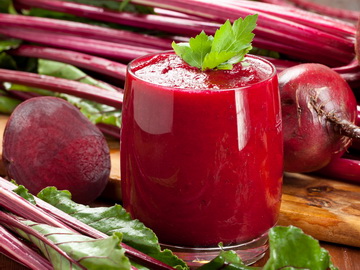
11. Rich in Antioxidants
Beet juice is packed with antioxidants, especially betalains, but also vitamin C, and various polyphenols like caffeic acid, epicatechin, ferulic acid, rutin and chlorogenic acid. These antioxidants neutralize free radicals and help protect cells from oxidative damage throughout your body.
This research noted, “betanin pigments are effective at chemoprevention at very low doses,” and that red beet extracts show significant antioxidant capacity. There’s much more on all the different nutrients in superfood beetroot here.
12. Good for Your Eyes
Betalains and other antioxidants in juiced beets support eye health and may help protect your vision as you get older. The improved circulation from nitric oxide is also beneficial for the small blood vessels in your eyes.
Beetroot’s liver cleansing properties are also helpful here. Like your skin, the condition of your eyes and the quality of your vision can be affected when your liver is overloaded with toxins.
13. Supports Natural Immunity
The antioxidants, vitamins, and other nutritional elements in beet juice work together to support healthy immune system function. Vitamin C improves white blood cell production, while antioxidants like betalains protect your immune cells from free radical damage.
Beetroot juice also contains natural anti-inflammatory compounds that help your immune system work more efficiently by reducing excess inflammation throughout your body. This is especially useful for elderly people with joint pain from arthritis and other inflammatory conditions.
14. Good Source of Vitamins and Minerals
Drinking beet juice regularly provides vitamin C, and B vitamins such as folate, B2, B3 and B6. It also has good levels of manganese and potassium, with smaller amounts of magnesium, phosphorus, iron and copper.
These minerals and vitamins support many important body functions, including energy production, healthy circulation, skin protection and strong bones. There’s more on beetroot’s vitamins and minerals here, including why it’s so good for iron absorption and whether raw or cooked beets are better nutritionally.
15. Beet Juice for Menstrual Cramps
Some women report finding beet juice helpful for reducing menstrual cramps. This is likely due to its anti-inflammatory effects and improved blood flow.
The way it improves iron absorption may also help replace what’s lost during menstruation. While research in the area is limited, the muscle-relaxing properties of nitric oxide could theoretically ease cramping as well.
16. May Help You Get to Sleep
While it’s most commonly recommended to drink beet juice in the morning, some people find having it in the evening before bed improves their sleep. Its magnesium has calming effects and nitric oxide from the nitrates in beetroot can improve nighttime circulation.
Evening beet juice can be particularly good for elderly people dealing with joint pain that affects their ability to get to sleep. Boswellia serrata is another superfood with strong anti-inflammatory effects that pairs well with beetroot.
17. Helps Reduce Anemia Symptoms
While beet juice isn’t particularly high in iron, it contains good levels of vitamin C and folate which improve both iron absorption and red blood cell production. Some research also suggests its betalains have a role in enhancing the way your body absorbs iron.
Folate is especially important for preventing certain types of anemia. In wellness forums, some people dealing with low iron levels report increased energy and better hemoglobin levels when they drink beet juice at the same time as eating iron-rich foods.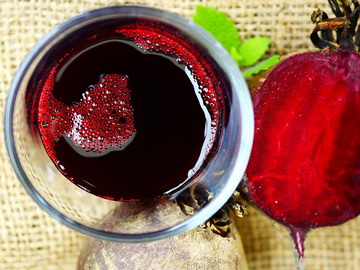
18. Beet Juice is Energizing
Drinking the freshly extracted beetroot juice in the morning is energizing, but its effects are more subtle and long-lasting than caffeine. I like it on an empty stomach soon after I wake up.
The nitrates in beets convert to nitric oxide which improves circulation throughout your body. This delivers more oxygen and energy-boosting nutrients to your muscles and brain.
There’s a reason why beet juice is so popular with runners, cyclists and bodybuilders. It’s proven in scientific studies like this to enhance oxygen utilization and energy production.
You don’t have to be a professional athlete to benefit from these positive effects though. Almost everyone can use some extra energy in their day.
How to Make Beetroot Juice at Home
If you’d like to start making fresh beet juice for yourself, you’ll need the right equipment. A cold press juicer works best since these models extract far more juice from the fruits and vegetables you feed into them. They also produce less heat and foam than cheap centrifugal models.
Ideally look for one with a wide feeder chute. It saves a lot of time when you can put whole beets straight in and don’t have to chop them up. Just give them a good scrub and throw them in.
There’s no need to peel them and if you manage to find beetroots with their greens still on then wash the leaves well and juice them too. Beet greens are very healthy and loaded with vitamin K and A, as well as antioxidants like beta-carotene, lutein and vitexin.
Adding an apple, pineapple, lime juice or piece of ginger improves the taste if you find beetroot’s earthy flavor a bit strong. Other healthy superfood combinations include carrot, leafy greens and particularly pomegranate with beet juice.
How Long Does Fresh Beet Juice Last?
Unfortunately freshly made beetroot juice starts losing some of nutrients almost immediately after juicing and continues to degrade nutritionally, even when kept in the refrigerator.
While it’s still safe to drink for a day or two when stored in an airtight container in the fridge, you’ll definitely get the most benefits from drinking it straight away, or at least within an hour of juicing.
2 Recommended Beetroot Juice Products in 2026
Freshly made beet juice is great and full of healthy nutrition for your body. I highly recommend making it up and drinking it straight from the juicer whenever you can.
But we’re all busy and preparing beets for juicing every day (and especially cleaning the juicer) is unrealistic for many people. Taking a good organic beet juice product is much easier, and can be more beneficial if it allows you to have it consistently.
1. Micro Ingredients Bulk Beet Juice Powder
The brand Micro Ingredients makes an organic beet root juice powder which is a great bulk option for regular use. The company says their product is made from the cold-pressed juice of non-GMO, non-irradiated and organically-grown beetroots. There’s also no soy, dairy, gluten, preservatives, additives, fillers, artificial colors or flavors, according to microingredients.com.
It comes in a one-pound resealable bag with 129 servings and will last you over 4 months if you use it daily. It’s available here on the brand’s Amazon store and is particularly good value for cold-pressed and organic beet juice powder in this size.
2. BioBeet Premium Beet Juice Capsules
Real beetroot juice capsules are more of a niche product and much rarer than regular beet supplements made from the whole vegetable powder.
American nutritional company Triquetra Health are the market leader here and their BioBeet supplements are made from non-GMO beetroots that are organically grown in Utah. They say on their website that this product is made with cold-press extraction, vegan, gluten-free, certified irradiation-free, 3rd party tested and 21 times concentrated.
BioBeet capsules also have small amounts of organic coconut MCT oil and bioperine from black pepper added to improve absorption. They come in a bottle with 60 caps for a 30-day supply and you can find them here on Amazon.
BioBeet also make a concentrated beetroot juice powder that’s my top pick in this new guide to the 10 best beet juice supplements, with powdered products and bottled beet juice you can find at your local supermarket.
What’s the Difference Between Drinking Beet Juice and Eating Beetroot?
Eating whole beets provides fiber for better digestive health and fills you up for less hunger and potential weight loss benefits. Juicing removes the fiber from beets but concentrates all the nitrates, betaine, betalains, and other beneficial compounds in this red superfood into an easily absorbed form.
You absorb the nutrition in juice much faster, which is why athletes and bodybuilders prefer it before workouts and training. Juiced beetroot also delivers a more potent dose of the active compounds that lower blood pressure, improve circulation and fight inflammation.
Beet Juice Side Effects and Precautions
Despite all the benefits of beetroot juice, there are some warnings and potential side effects worth being aware of before you start drinking it regularly.
1. Blood pressure dropping too low
People who already have low blood pressure should be careful with beet juice since it may lower blood pressure further and cause dizziness or lightheadedness. Those taking blood pressure prescriptions should check with their doctor first. As a general rule it’s always best to take potent natural remedies like this away from prescriptions to avoid interactions.
2. Digestive side effects, such as gas, bloating or diarrhea
Some people can get stomach upsets, or other digestive issues like gasiness or loose stools, when they first start drinking beetroot juice, especially if they have a large glass on an empty stomach. It’s better to start off slow and check your tolerance for it. Nutrient absorption is better on an empty stomach but if you have digestive side effects try to build up your dosage slowly.
3. Oxalates and kidney stones
Beets are relatively high in oxalates. This isn’t an issue for most of us as our gut microbes usually process and eliminate them. Oxalates may increase kidney stone risk for some people more prone to calcium oxalate stones. Those with a history of kidney stones should check with their physician before using beetroot juice regularly.
4. May not be suitable for those with kidney disease
People with chronic kidney disease, or those on potassium-restricted diets, should consult their doctor before starting on juiced red beets. This vegetable is rich in potassium and juicing it concentrates its mineral content even further.
5. Medication interactions
Along with blood pressure prescriptions, beet juice may interact with erectile dysfunction (ED) pills and other nitrate prescriptions. Once again, check with your healthcare provider before taking it.
6. Allergic reactions
Though quite rare, some people have reported allergic symptoms, such as hives, itching or breathing difficulties, after drinking beet juice. Obviously stop drinking it if you experience side effects like this.
7. Pregnancy and breastfeeding
Some medical resources recommend that pregnant and breastfeeding women shouldn’t have too much beet juice. While beetroot contains nutritional compounds that are potentially beneficial for pregnancy, especially its natural folate and potassium, high levels of nitrates or oxalates haven’t been studied in women who are pregnant. It’s best to check with your obstetrician first.
8. Beeturia: red stools and pink urine
The betalains in beets can turn your urine pink or poop red when you drink a lot of beetroot juice. This effect is completely harmless but it can be concerning if you’re not expecting it.
Beet Juice vs Capsules, Gummies, Chews and Beetroot Powder
Fresh Beet Juice vs Powdered Beets
If you have the time and dedication to make up fresh beetroot juice every day, this would be the healthiest option with the most nutrients and benefits. While nitrates, betaine and betalains are relatively stable in supplements, certain compounds, like the enzymes in fresh beet juice, tend to degrade quickly.
For someone concerned about their BP numbers, or getting relief from joint pain from drinking beet juice, the 5-10 minutes it takes to make up this potent red elixir each morning could be well worth it. But if you don’t have the time, a powdered beets product is the next best option.
Whole vegetable beet powders are by far the most common and popular. These contain beet juice of course, but also fiber and all the other components in whole red beets. I recently completed a detailed comparison guide of the 12 best beet powders in 2026 here.
Powdered beet juice products are more of a specialized supplement. They are made by first juicing fresh beetroots and then drying out the liquid. The resulting powder lacks fiber, but usually has a higher concentration of betaine, nitrates, betalains and other antioxidants. Especially if it’s made from organically grown beets and comes from a reputable brand, like these 2 recommended beet juice products above.
Beetroot Capsules Comparison
Beet capsule supplements, like SuperBeets or Total Beets, are more popular than beet powders. They are convenient to take and avoid any taste issues, though the dosage is usually a bit lower per serving.
Overall, they’re not usually quite as good value as powdered beets on a cost per month basis. But if you’re worried about beet’s earthy flavor, or simply don’t like to mix up powders, then one of these 10 best beet root supplements would be much better for you if you’ll take it consistently.
Beetroot Juice vs Beet Gummies and Chews
There is no comparison between freshly made beet juice and so-called nutritional gummies or beetroot chews. The first is a rich source of nitrates, antioxidants, vitamins, minerals and other valuable nutrients. Gummies and chews are basically sugar-loaded candy with a small amount of powdered beets mixed into a range of unhealthy ingredients.
While I did find a couple of healthier beet gummies, most of these products are an expensive scam from a nutritional perspective. You’ll definitely get better results from drinking fresh beet juice, or mixing up an organic powder, like this one I get on Amazon.
Beet Juice Benefits for Men
Beetroot juice is particularly beneficial for men concerned about their blood pressure and cardiovascular health, which becomes increasingly important as men age. Drinking beet juice is also good for kidney and liver health, as well as more energy and focus at work.
Its nitric oxide-boosting properties improve blood flow and deliver more oxygen throughout the male body. This can help not just with sports and workouts, but also with better erectile function.
Beetroot’s anti-inflammatory betalains and phenolic compounds can also aid in healing injuries and recovery after heavy training sessions.
Beetroot Juice Benefits for Women
Women drinking beet juice regularly will get many of the same positive effects as men. There are also some female-specific benefits with this red superfood.
Beetroot has nutrients that improve iron absorption, which helps with low energy, relieving anemia symptoms, and iron loss during menstruation. Some women also report that beet juice helps them reduce the pain of menstrual cramps.
This red veggie’s betalains, vitamin C and other antioxidants support healthy skin from within. While its potassium and high folate content is important for pregnant women. Its circulatory benefits are also good for women dealing with cold hands and feet or pregnancy-related swelling.
Health Benefits of Beet Juice for Seniors
Older adults often see the most noticeable benefits from regular beet juice consumption. That’s because an age-related decline in nitric oxide production can affect so many different systems in the body.
Beetroot’s nitric oxide-raising properties improve blood flow, support brain function, and may help maintain cognitive sharpness and memory formation. While both its blood pressure moderation and antioxidant betalains protect against cardiovascular disease and kidney problems.
Seniors also often appreciate its anti-inflammatory effects on joint pain from arthritis, better circulation that helps with neuropathy symptoms, and digestive system support that tends to become more important as we age.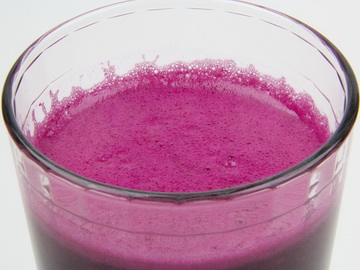
Beetroot Juice is Good for Everyone
I really can’t recommend beetroot juice enough. It’s one of my favourite superfood juices that I like to make up regularly. It’s particularly energizing first thing in the morning, though early afternoon is also good if you feel like you need a nutritional boost.
When I don’t have much time, a scoop of beet juice powder mixed in water is quick, convenient and almost as good. This cold-pressed, non-irradiated, and certified organic powder by Micro Ingredients here on Amazon is good value and will last for 4 months at the suggested daily dosage.
If you prefer to take capsules, BioBeet supplement by Triquetra Health is made from cold-pressed beets grown organically in Utah. BioBeet capsules also have MCT oil and bioperine for improved nutrient absorption and Triquetra says they are 3rd-party tested and 21 times concentrated. You can find them here on the brand’s popular Amazon store.
Thank you for reading my guide to the best beetroot juice benefits, how to take it and why it’s so good for you. Many people are aware of beet juice’s ability to raise nitric oxide, lower blood pressure, improve exercise performance and protect the cardiovascular system.
I suspect far fewer know about its brain, liver, kidney, skin and digestive health benefits, or its antioxidant and anti-inflammatory properties. I hope there was something helpful and relevant in my guide for you personally. Please feel free to ask any questions in the comments below.