
6 Best Beet Juice Powders and Top 4 Bottled Beetroot Juices in 2026
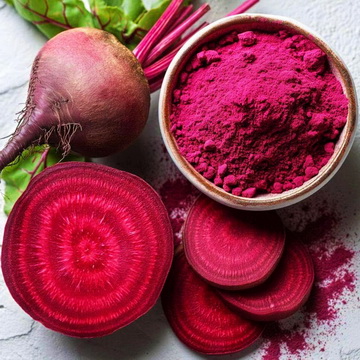 Red beets are a nutrient-rich superfood, best known for their nitric oxide boosting nitrates, antioxidant betalains and liver protecting betaine. Whole beet root powders and capsules are popular, but a good beet juice powder supplement provides an even more concentrated dose of nutrition.
This guide has the 6 best powdered beet juice brands on the market in 2026, with ingredients, nutrition facts, pros and cons, how they taste, where to get them, and how they stack up versus alternatives.
Also ahead, the difference between beet root juice powders and store-bought beet juices, which kind is better for you, and the top 4 bottled beet juice products you can find at your local supermarket.
You can skip forward to any section you’re interested in using the Table of Contents below. Let’s get started.
Beet Juice Powder vs Whole Beet Root Powder
What’s the difference between powdered beet juice products and regular beet root powder? It’s mainly about nutrient concentration.
Real beet juice powder is made from cold-pressed beet root juice that’s then dehydrated into a fine powder. While regular beet root powder is made from entire beets that are first dried and then ground up.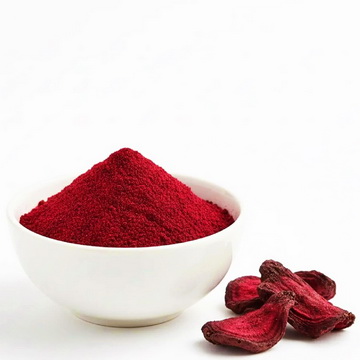
That means powdered beet juice supplements should contain higher levels of nitrates per gram for nitric oxide production, which is beneficial for moderating blood pressure, exercise performance and cardiovascular health.
You also get a more concentrated dose of betalains, the potent antioxidants that give beets their deep red color and have anti-inflammatory properties. Along with betaine, a methyl donor and liver protector. As well as phenolic compounds like caffeic acid, ferulic acid and epicatechin.
Juice powders don’t contain fiber, but that’s not a big issue for most people. This red root vegetable is mainly taken as a nutritional supplement for its concentrated nitrates, antioxidants and betaine.
The trade-off here is cost. It takes far more fresh red beets to make a pound of juice powder versus whole root products. That’s why true beet root juice supplements will be more expensive per ounce than regular powdered beets. You’re getting more potency in a smaller serving size though, so keep that in mind when comparing brands and prices.
Top 6 Beet Juice Powder Brands in 2026
Now that you know the benefits of powdered juice products over whole root powders, here are 6 of the best beet root juice extracts currently available.
I’ll cover what makes them different, their full ingredients including any additives, nutrition facts, pros and cons, taste, and give a verdict on each one’s overall value and effectiveness.
1. BioBeet Beetroot Juice Powder Max Strength 20x Concentration 6.2 oz
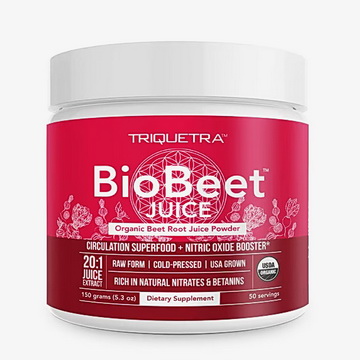
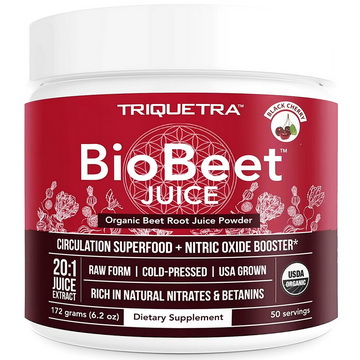 BioBeet, by American brand Triquetra Health, is one of the most concentrated beet juice powders you’ll find anywhere. It’s a 20:1 extract, which means each 3-gram serving is made from around 60 grams of fresh beets. That makes for a serious dose of nitrates, betalains and other nutrients in every scoop.
This product is certified organic, grown in the USA in Utah, made in a GMP-certified facility, and third-party tested for impurities. It’s also certified irradiation-free, microsystin-free, non-GMO, gluten-free, vegan, and free of solvents. This company is clearly focused on producing a high-quality beet juice supplement and isn’t cutting any corners.
Triquetra says their organic beets are cold-pressed before being dried with a CO2 dehydration process that keeps the juice in raw form. On their website they have the statement, “Our cutting-edge juicing and drying process preserves the full enzymatic activity and nutrient content – making it nearly identical to fresh juice, but without the hassle.”
BioBeet powder comes in original and a slightly tangy black cherry flavor, which makes it much easier to drink than most unflavored beet root products out there.
Ingredients
- Organic Beet Root Juice Powder (20:1 concentrate)
- Supplement Facts: Calories: 10, Total Carbohydrate: 2 g, Total Sugars: 2 g
- Other Ingredients: Organic Black Cherry Flavor, Silica, Organic Stevia Extract
- Serving Size: 1 Scoop (3 g)
Servings Per Container: 50
Pros and Cons
Pros
- Highly concentrated 20:1 organic beet juice powder, with each 3 g serving equivalent to the juice from around 60 g of fresh beets. Rich in nitric-oxide boosting nitrates and antioxidant betanins.
- Organically grown in Utah, cold-pressed and CO2 dried at low temperatures to keep it in raw form. Avoiding heat during production helps preserve nutritional compounds and many customer reviewers say this powder tastes like freshly juiced beets when mixed in water.
- Produced in a GMP-certified facility, certified irradiation free, and third-party tested by multiple regulating bodies. Triquetra says they will provide testing documentation on request.
- I think the original BioBeet tastes fine, but the organic black cherry flavor is even better and recommended for people who don’t like beet root’s earthy taste.
Cons
- While there are 50 servings in the 6.2 oz tub, BioBeet is not one of the cheaper options in this guide to the best beet juice powders. It’s more of a premium product with its 20x concentration, careful processing, multiple certifications and extensive testing.
BioBeet Max Strength Verdict
BioBeet is a strong choice if you want maximum nitrates, betalains and other nutrients from a small daily scoop of red powder. It’s US grown, certified organic, raw, cold-pressed, non-irradiated and third-party tested – all positive factors to look for in a high quality beet supplement. The tangy black cherry flavor tastes pretty nice too.
It does cost more per month than brands like Micro Ingredients next, but that’s to be expected with a highly concentrated product like this. If potency is your priority you can find BioBeet Max Strength Beet Juice here on the brand’s Amazon store. They also have beet juice capsules available on the same storefront, though the powder is better value overall.
2. Micro Ingredients Organic Beet Root Juice Powder 1 lb
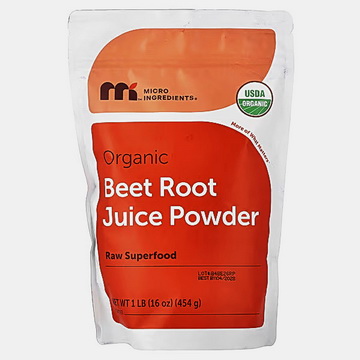 Micro Ingredients is a popular bulk superfoods brand and their organic beet juice powder is the best value option overall in this guide. It comes in a 1-pound resealable pouch with around 129 servings, so it will last even regular users a long time.
This is a cold-pressed juice powder made without any additives, fillers or flavorings. If you take a beet supplement daily for blood pressure and other benefits, and want a simple, affordable and organic beet root juice powder, Micro Ingredients is a solid choice.
I’ve taken this brand of powdered beet juice before and think it tastes quite sweet, despite not having any added flavorings. Certainly better than most beet products I’ve tried over the years. I also found it pretty energizing and more effective than regular whole root powders in my opinion.
Ingredients
- Organic Beet Root Juice Powder
- Supplement Facts: Calories: 10, Total Carbohydrate: 3 g, Total Sugars: 1 g, Sodium: 20 mg, Iron: 0.7 mg
- Other Ingredients: None Listed
- Serving Size: 1 Scoop (3.5 g approx.)
Servings Per Container: 129
Pros and Cons
Pros
- Cold-pressed from organically grown beets. This extraction method preserves more nitrates, betalains, enzymes, vitamins and other nutrients.
- Non-GMO, not irradiated, and free of additives, artificial colors, flavors, preservatives, soy, fillers and gluten.
- Large 1-lb bulk pouch with up to 129 servings inside. Micro Ingredients works out at much better value per dosage when compared to smaller juice powder brands.
- Mixes easily in water and other drinks like smoothies. Some people also say they use it for baking and sauces, though I wouldn’t heat beet juice products too much. A scoop is included in the pouch for accurate daily servings.
- 4.5 out of 5 stars rating on Amazon from over 3,600 customer reviews at the time I was researching this guide, with many reporting improvements in BP numbers and more energy from taking this supplement regularly.
Cons
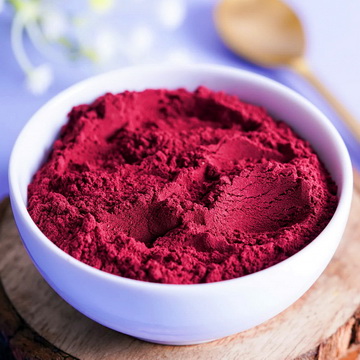
- Not as concentrated at BioBeet beetroot extract above, though Micro Ingredients powdered beet juice comes in a much bigger size.
- The suggested 3.5 g serving is a little low in my opinion. At a more beneficial 5 g daily dose (a slightly heaped teaspoon) you’d still get around 90 servings and a 3 month supply from the pouch.
Micro Ingredients Beet Juice Verdict
Micro Ingredients organic beet root juice powder is the best value bulk option in this guide. It’s cold-pressed, non-irradiated, certified organic, and filler-free, with a big 1-lb pouch that will keep daily users going for several months.
You can find it here on their Amazon page with over 3,600 consumer reports and plenty of positive feedback on taste, value and effectiveness.
3. Eclectic Herb Organic Beet Juice Powder 6 oz
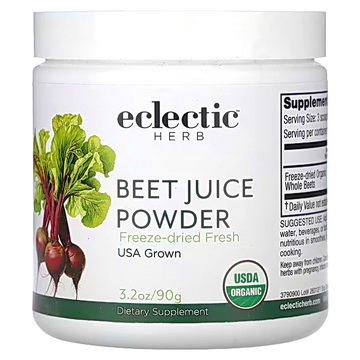 Eclectic Herb takes a different approach to most brands in this guide. Their beet juice supplement is extracted from both fresh beet roots and the leafy greens of this vegetable.
Beet greens are a superfood in their own right, with high levels of chlorophyll, vitamin K and vitamin A, as well as useful amounts of vitamin C, iron, potassium and magnesium. I think including them for juicing is a smart move and sets this product apart from most competitors.
Eclectic Herb say their beets are organically grown in Oregon and processed in small batches in-house. They also say they use freeze-drying and their 6-oz beet juice powder is concentrated to be equivalent to around 10.5 times the amount of fresh beets.
Ingredients
- Raw, Organic, Fresh Freeze-dried Whole Beet Juice (Root and Greens) (Beta vulgaris)
- Supplement Facts: Not Listed
- Other Ingredients: None Listed
- Serving Size: 3 scoops (6 g)
Servings Per Container: 28
Pros and Cons
Pros
- US-grown beets, harvested at peak ripeness, and processed in-house for freshness, according to Eclectic Herb.
- Freeze-dried juice from fresh and raw whole beets, including the beet greens that add vitamin K and A, chlorophyll, a range of minerals and extra phytonutrients.
- Certified Organic by Oregon Tilth. Non-GMO, no added sugar, no fillers and no artificial colors or flavors.
Cons
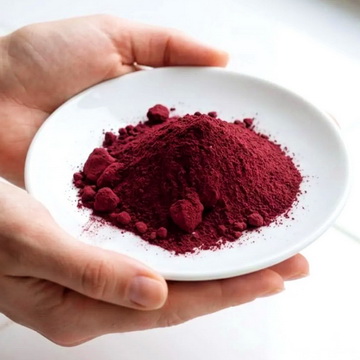
- The label is light on detail, with just the serving size and servings per container and no nutrition facts.
- The company recommends storing it tightly capped in the refrigerator after opening, which is less convenient than shelf-stable powders.
- While the added beet greens juice is a beneficial addition, Eclectic Herb’s product isn’t as concentrated as BioBeet Max Strength above yet usually costs more.
Eclectic Herb Powdered Beetroot Juice Verdict
Eclectic’s beet juice powder is a high quality whole-plant product. The inclusion of beet greens set it apart from other brands, and they use US-grown produce with Oregon Tilth organic certification. If you like the idea of a freeze-dried whole-beet juice with the greens included this brand can be found here on Amazon.
I personally like innovative supplements like this and would give Eclectic Herb’s beet powder a try if I saw it on special. But for pure nitrates and antioxidants per dose, I’d expect a more concentrated juice extract like BioBeet to be more effective.
4. Dr. Berg Raw Organic Beet Powder 3.18 oz
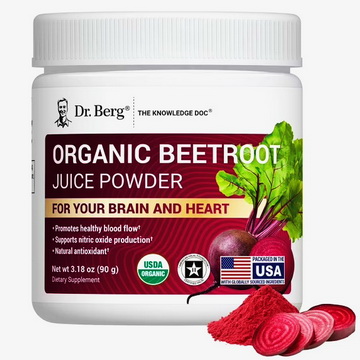 Dr. Eric Berg is described on his website as “a leading health educator, best-selling author, and founder of the Berg Institute of Health & Wellness.” He also promotes his own range of supplements on drberg.com.
I’m not a fan of celebrity doctors, but this product is made from cold-pressed organic juice and looks quite healthy. It’s far from cheap though and comes in the smallest sized tub of any of the brands in this review of beet juice powders.
The Dr. Berg company says it takes 20 pounds of fresh beets to make 1 pound of this concentrated supplement. They also say they use a Bioactive Dehydration System that dries the juice at temperatures below 106°F. This gentle low-heat process is designed to protect the antioxidants and other nutrients from oxidation.
Ingredients
- Organic Beetroot Juice Powder (Beta vulgaris)
- Supplement Facts: Calories: 10, Total Carbohydrate: 2 g, Total Sugars: 2 g
- Other Ingredients: Silicon Dioxide
- Serving Size: 1 Scoop (3 g)
Servings Per Container: 30
Pros and Cons
Pros
- A genuine cold-pressed juice powder extracted and concentrated from around 20 lbs of fresh beets per pound of finished powdered reds. USDA-certified organic, non-GMO and free of fillers and preservatives.
- Bioactive Dehydration below 106°F to preserve heat-sensitive vitamins, enzymes and antioxidants like betalains.
- Made in an NSF-certified facility with third-party batch testing for heavy metals and microbial contaminants.
- Positive 4.5 star rating on Amazon with customers particularly liking the naturally sweet flavor of this powder. Some commented that the taste is closer to fresh beet juice than most beet root powders they’ve tried.
Cons
- At 3.18 oz in net weight for over $40 a tub, this is an expensive beet supplement. You could get 10 times as much product for less with the top organic beet powder here.
- This brand lists silicon dioxide in other ingredients. This additive is a common anti-caking agent, but it’s a small con in an otherwise clean product.
Dr. Berg Beetroot Powder Verdict
Dr. Berg’s beet juice powder is a high-quality nutritional product. It’s a real juice concentrate, USDA organic, low-temperature dried and properly tested. It has a 4.5 out of 5 stars rating on Amazon and a light and clean taste, according to customer reviewers there.
The main drawback with this brand is the value per serving. Despite having just 30 servings per container, Dr. Berg’s beet product is significantly more expensive than Micro Ingredients above, with 129 servings in the much bigger resealable pouch.
If you want a premium juice powder, and don’t mind the price, then it’s available at Walmart, Amazon and Dr. Berg’s store. I personally think BioBeet, here on this Amazon listing, is both better and cheaper though.
5. Terrasoul Superfoods Organic Beet Juice Powder 4 oz
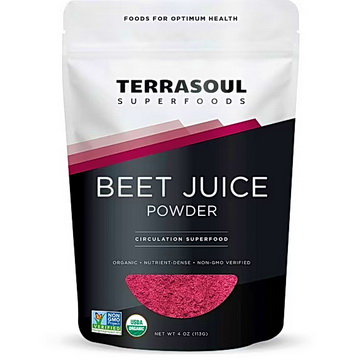 Terrasoul Superfoods is a well-known brand that specializes in single ingredient powdered products. They make a concentrated organic beet juice supplement that comes from produce grown in the USA and extracted with a proprietary low-heat process.
It comes in a 4-oz resealable pouch, has nothing else added, and is a solid mid-priced option if you want try powdered beet juice without spending too much.
Ingredients
- Organic Beet Juice Powder
- Supplement Facts: Calories: 14, Total Carbohydrate: 3.1 g, Total Sugars: 2 g, Dietary Fiber: 1 g, Calcium: 5 mg, Iron: 0.26 g, Potassium: 104 mg
- Other Ingredients: None
- Serving Size: 1 teaspoon (4 g)
Servings Per Container: Approx. 28
Pros and Cons
Pros
- USDA-certified organic, Non-GMO Project verified, Kosher-certified, raw, gluten-free and vegan. No fillers or additives.
- Grown in the USA and manufactured in a cGMP facility using a low-heat process.
- Terrasoul Superfoods offers a 30-day money-back guarantee on their website.
- Usually available for around $14.99, which is less than half the cost of the smaller Dr. Berg’s beet juice supplement above.
Cons
- The 4-oz pouch is fairly small, so daily users will get through it quite quickly compared to a much larger 1-lb option like Micro Ingredients or Anthony’s Organic below.
- Terrasoul Superfoods lists 1 gram of dietary fiber on the nutrition facts panel for this product. A true beetroot juice powder should not contain fiber.
- Some customer complaints of clumping and the powder being “as hard as a rock,” according to consumer feedback on Amazon.
- Terrasoul describe their product as “concentrated beet juice crystals” but it’s a powdered product, not crystallized like the Flora brand or Salus Red Beet Crystals.
Terrasoul Superfoods Beetroot Juice Verdict
Terrasoul’s beet juice powder is fairly inexpensive with organic, kosher and non-GMO certifications. It’s USA grown, low-heat processed and additive-free, which are all positives.
The downsides are the small 4-oz size, customer complaints on clumping, and fiber on the nutrition facts label, possibly indicating incomplete extraction. For occasional users, or anyone wanting to try a low-cost juice powder, it’s available at Walmart and on Amazon. I think both BioBeet and Micro Ingredients above are better value choices in 2026 though.
6. Anthony’s Organic Beet Root Juice Powder 1 lb
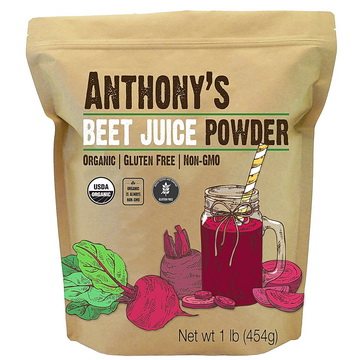 Anthony’s is a well-known American brand that often positions their products as cooking and baking ingredients. They offer an organic beet root juice powder in a 1-pound bag that’s quite cheap, but it seems to be marketed more as a natural food coloring than as a supplement. That makes me doubt the quality would be as high as with premium brands like BioBeet, Eclectic Herb or Dr. Berg’s.
It is certified organic, which is a genuine plus, non-GMO, gluten-free, vegan, and has no fillers, colors or added sugars. Customer feedback on Anthony’s beets product is more mixed than with the other brands in this beetroot juice powder review though.
One of the biggest criticisms in negative feedback on Amazon is that Anthony’s beet juice has “Product of China” printed on the packaging. Several other consumers complained that it doesn’t taste like real beet juice powder and they suspect it’s made from whole powdered beets instead.
Ingredients
- Organic Beet (Beta vulgaris)
- Supplement Facts: Calories: 15, Total Carbohydrate: 3 g, Total Sugars: 1 g, Sodium: 20 mg, Calcium: 3 mg, Iron: 0.8 g , Potassium: 20 mg
- Other Ingredients: None Listed
- Serving Size: 1 teaspoon (approx. 4 g)
Servings Per Container: 113
Pros and Cons
Pros
- USDA Certified Organic, non-GMO, gluten-free and vegan, with no artificial colors, sugars or fillers. Batch tested and verified gluten-free.
- Large 1-lb bag that’s competitively priced and versatile to use in drinks, smoothies, baking, sauces and as a natural food dye in recipes.
Cons
- Anthony’s packaging for this product has “Packed in California” highlighted on the back of the pouch, but “Product of China” printed down the bottom in smaller text.
- The front label of this powder has a large “USDA Organic” symbol, yet “Certified Organic by CCOF” on the back panel. CCOF is a USDA-accredited certifier, but I can understand the average consumer assuming “USDA Organic” means grown in the USA and not China.
- A fairly high number of customer complaints about clumping, poor mixability, and an unpleasant taste that makes it hard to drink. Some consumers also reported noticeable differences in texture, color and flavor between batches.
- It’s positioned more as a culinary ingredient and natural food coloring than as a dedicated nitric oxide supplement. If healthy circulation and lowered blood pressure are what you’re looking for in a beet product there are better options above.
Anthony’s Organic Beet Root Powder Verdict
Anthony’s beet juice supplement is a large, affordable and certified-organic product. It does have “Product of China” printed on the packaging though. While the brand claims it’s batch tested, many people are understandably concerned about Chinese origin food products
There is also clearly mixed consumer feedback on its taste, texture and mixability, with some customers reporting clumping and inconsistency between different batches. In my opinion, Micro Ingredients is a much better bulk choice than Anthony’s for not much more here on their Amazon store.
Powdered Beet Juice Products vs Bottled Beetroot Juices
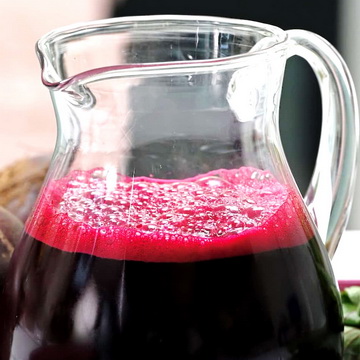 While beet juice powder supplements are popular, you can also find bottles of beet juice in the supermarket aisles of many large stores, such as Walmart, Safeway, Kroger, Costco and Target.
Brands like R.W. Knudsen, Lakewood, Beet It and Biotta offer ready-to-drink alternatives to beetroot juice powders and I thought it would be interesting to compare them, both in value and in how much nutrition you get with each option.
How Do Bottled Beet Juices Compare With Beet Juice Powders Nutritionally?
Ready-to-drink beet juice from the bottle usually keeps more of the water-soluble vitamins in beets than most powdered products. That’s because packaged juices never go through the drying stage during processing. You’ll see higher levels of vitamin C and folate listed on a bottle of Lakewood Organic Beet Juice versus most beet powder labels.
The catch is dilution. A powder is concentrated, so a small scoop can carry a big dose of nitric oxide boosting nitrates and antioxidant betalains. While bottled juices spread that out across a much larger serving. You’re drinking 8 fluid ounces to get what a 3-gram scoop in a much smaller amount of water could deliver. Bottled juice usually contains far more natural sugars too.
Then there’s shelf life. Most ready-to-drink beet juice products are only good for a week or two at most once you’ve opened them. Lakewood’s beet juice label is a good example, recommending you drink it within 2 weeks and keep it refrigerated. Others, like Beet It Sport Shots, only have a shelf life of 2 days once opened.
By comparison, a container of beet juice powder can sit in your cupboard for a year and still be fine to take. That’s a real practical difference if you don’t usually take supplemental beets every day.
Is Concentrated Beet Juice Powder or Store-Bought Beetroot Juice Better Value Per Serving?
In most cases powders win big on value per serving. A 1-lb pouch of Micro Ingredients beet juice is usually $29.95 and gives you around 129 servings at the suggested 3.5-gram dose. That works out at around 23 cents a day
Compare that with Biotta’s 32-oz beet juice bottle, at just under $11 for 4 servings of 8 fluid ounces. That’s $2.75 per serve. You also have to use it within 7 days of opening, so waste creeps in if you forget to use it in time.
Bottled beet juice still has its place. It’s ready to drink, it tastes better to many people, and you don’t have to mix it with anything. If convenience and flavor matter more to you than cost, then supermarket beet juice brands like R.W. Knudsen, Biotta, Beet It or Lakewood could be a legitimately better option.
Remember to keep stocked up with them though. Beets health benefits rely on you taking it regularly. Occasional use wouldn’t have as many positive effects as consistent daily servings.
Top 4 Bottled Beetroot Juices to Buy in 2026
Now that you know the difference between store-bought beet juice and beetroot juice powders, here are 4 of the most popular bottled beet juice brands available right now.
I’ve researched and covered their main selling points, ingredients, pros and cons, and given a verdict on each one’s value and effectiveness.
1. Lakewood Organic Beet Juice 32 oz
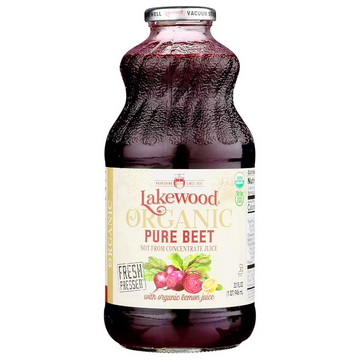 Lakewood is a well-known and decades-old company that specializes in premium bottled juices. They state on their website that their products are always unsweetened, have no preservatives or artificial additives, and are made from non-GMO ingredients.
Lakewood is one of the best-selling bottled organic beet juices in America. Each 32-oz glass bottle is pressed from 3 lbs of organic beets with just a small amount of organic lemon added to prevent oxidation.
What stands out with this brand is the high levels of nutrition. One 8-oz serving lists a range of vitamins and minerals at meaningful levels, including folate, manganese, potassium, iron, magnesium and vitamin C. This is a genuinely nutrient-dense juice and far superior to most cheap and sugary supermarket juices.
Ingredients
- Organic Beet Juice, Organic Lemon Juice
- Supplement Facts: Calories: 100, Total Carbohydrate: 22 g, Total Sugars: 17 g, Dietary Fiber: 1 g, Sodium: 190 mg (8% DV), Calcium: 40 mg (4% DV), Iron: 2.8 mg (15% DV), Potassium: 620 mg (18% DV), Vitamin C: 11 mg (10% DV), Folate: 135 mcg (35% DV), Magnesium: 50 mg (10% DV), Manganese: 0.77 mg (35% DV)
- Other Ingredients: None Listed
- Serving Size: 8 fl oz (240 ml)
Servings Per Container: 4
Pros and Cons
Pros
- Made from 3 pounds of organic beets per 32-oz bottle, with only organic lemon juice added to prevent oxidation and increase shelf life. Certified organic, kosher, non-GMO, no added sugar or additives, and preservative-free.
- Strong nutrient profile with 35% DV folate, 35% DV manganese, 15% DV potassium, 15% DV iron, 10% DV magnesium and 10% vitamin C. These vitamins and minerals would be more absorbable in their natural form versus those found in synthetic multivitamins too.
- Bottled in glass that’s BPA, BPS and DEHP free, unlike most plastic juice bottles that can leach xenoestrogens, particularly if left out on a hot day.
Cons
- You should drink Lakewood’s pure juiced beets within 2 weeks of opening and keep it refrigerated, so it won’t last like a powder will.
- With 100 calories and 17 g of naturally occurring sugars per serving, it’s much higher than beet root juice powders like BioBeet above, with only 10 calories and 2 g of sugar per serving. That’s worth keeping in mind if you’re trying to lose weight.
Lakewood Beet Juice Verdict
Lakewood is my top pick for a premium bottled beet juice in 2026. It’s pure organic beetroot with just a hint of organic lemon, comes in glass not plastic, and carries the best all-round vitamin and mineral profile versus the other 3 brands below.
The 2-week drinking window once opened, and its natural beet sugars are the only real downsides. If you want a clean, nutrient-rich bottled beet juice, and will drink it regularly, then this is the one I’d get.
You can find it here on the brand’s Amazon store alongside other healthy superfood juices like Organic Carrot and Pomegranate. Lakewood also has an Organic Beet, Ginger and Turmeric Juice that would be particularly good for liver health and inflammatory conditions.
2. Biotta Organic Lacto-Fermented Beet Juice 32 oz
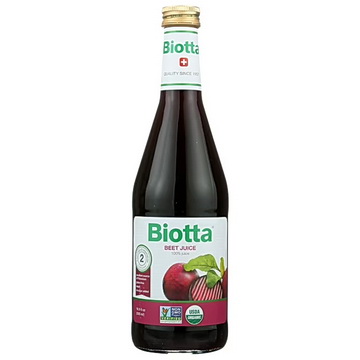 Biotta is a highly-regarded Swiss brand that’s been making bottled vegetable juices for over 60 years. Their beet juice is made from organic beets grown in Switzerland, a country with clean and fertile soils and much higher safety standards than most other countries.
What sets Biotta beet juice apart from competitors is its lacto-fermentation. The juice is carefully fermented to produce gut-friendly L+ lactic acid, which also acts as a natural preservative and makes it easier to digest.
Ingredients
- Organic Beet Juice (Lacto-fermented)
- Supplement Facts: Calories: 110, Total Carbohydrate: 24 g, Total Sugars: 22 g, Protein: 3 g, Sodium: 95 mg (4% DV), Calcium: 10 mg (1% DV), Iron: 0.3 mg (2% DV), Potassium: 700 mg (15% DV)
- Other Ingredients: None Listed
- Serving Size: 8 fl oz (240 ml)
Servings Per Container: Approx. 4 (33.8 fl oz bottle)
Pros and Cons
Pros
- Lacto-fermented from certified organic Swiss beets, producing gut-friendly lactic acid that supports digestion.
- Cold-pressed to preserve more of the naturally occurring nitrates, antioxidants and heat sensitive vitamins.
- High in potassium at 700 mg (15% DV) per 8-oz serving.
Cons
- Biotta is listed as higher in sugar versus Lakewood, Beet It and R.W. Knudsen below at 22 g per serving. That’s a bit strange as the lacto-fermentation process should reduce its natural beet sugars.
- Biotta recommends using this product within 7 days of opening it. That gives it half the shelf life of Lakewood beet root juice above.
Biotta Fermented Beet Juice Verdict
Biotta is a good choice if you have a sensitive digestive system. Its lacto-fermentation pre-digests compounds within beets and can make nutrients easier for your body to absorb. It’s also hard to find higher-quality source produce than cold-pressed organic beets from Switzerland.
If you’d like to try a premium fermented beet root juice and see how it works for you then Biotta is available on Amazon.
3. R.W. Knudsen Organic Beet Juice 32 oz
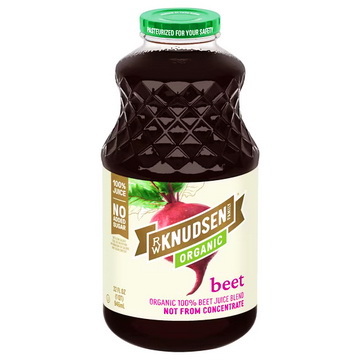 R.W. Knudsen is a familiar brand on supermarket shelves and usually one of the cheaper organic fruit and vegetable juice options. They advertise their products as 100% juice and never from concentrate, no added sugar and no artificial preservatives or flavors.
Like the Lakewood company, R.W. Knudsen is made with just organic beet juice and a touch of organic lemon. Their nutrition facts label lists far less vitamins and minerals versus Lakewood though, with just calcium, iron and potassium shown and all in significantly lower levels.
Ingredients
- Organic Beet Juice, Organic Lemon Juice
- Supplement Facts: Calories: 90, Total Carbohydrate: 20 g, Total Sugars: 19 g, Calcium: 30 mg (2% DV), Iron: 1.3 mg (8% DV), Potassium: 520 mg (10% DV)
- Other Ingredients: None Listed
- Serving Size: 8 fl oz (240 ml)
Servings Per Container: 4
Pros and Cons
Pros
- Just organic beets and lemon juice. Not from concentrate and bottled in glass. No added sugar, artificial preservatives, flavors or sweeteners.
- Widely available in supermarkets like Walmart, Sprouts, Kroger or Target and competitively priced.
- USDA organic, non-GMO Project verified and OU kosher certified.
Cons
- R.W. Knudsen’s juiced beets nutrition facts label lists fewer vitamins and minerals than competitor brand Lakewood and at lower levels.
- Needs refrigerating after opening and the company recommends you “use it within 7 days once opened.”
R.W. Knudsen Beetroot Juice Verdict
R.W. Knudsen is a good budget bottled beet juice. It’s organic, clean and easy to pick up at stores like Walmart, Target, Kroger or Sprouts, and online at Amazon and rwknudsen.com. They also sell an organic beet, carrot and orange juice, but I suspect this would be orange heavy and higher in sugar.
For a similar price though, Lakewood beet juice above lists a much higher nutrient density, particularly for folate, manganese, potassium, iron, magnesium and vitamin C. If I saw the two brands side by side in the fridge at Walmart, I’d choose Lakewood for its better range of vitamins and minerals.
4. Beet It Organic Beetroot Juice 25.4 oz
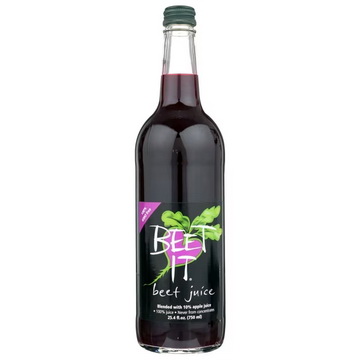 Beet It is a popular sports-focused brand selling premium beetroot juice products aimed at athletes and exercise enthusiasts. They say on their website that their products are “backed by science” and have been used in “300+ medical and sports performance research projects” like this study.
This company’s scientific research focus reminds me of SuperBeets, and like with that brand, customers choosing Beet It Organic Beet Juice, or especially Beet It Sport Shots, are paying a premium for the years of research behind the name.
For example, a 25.4 oz bottle of Beet It beetroot juice is usually over $16 on Walmart or Amazon. That’s around double the cost versus the larger Lakewood or R.W. Knudsen 32-oz bottles.
Regular Beet It juice is sold as a blend too, rather than pure beet root. It’s organic beet juice (90%) with organic apple juice (10%). This makes it noticeably sweeter, but apples are higher in sugar and lower in nutrition versus beets so I don’t consider this a positive.
Ingredients
- Organic Beet Juice (90%), Organic Apple Juice (10%)
- Supplement Facts: Calories: 80, Total Carbohydrate: 19 g, Total Sugars: 17 g, Protein: 1 g, Sodium: 85 mg (5% DV), Potassium: 792 mg (17% DV)
- Other Ingredients: None Listed
- Serving Size: 8 fl oz (240 ml)
Servings Per Container: Approx. 3
Pros and Cons
Pros
- Organic, non-GMO and not from concentrate.
- Well-known brand backed by hundreds of research studies like this. Beet It has a strong reputation among endurance athletes in particular.
- Beet It Sport Pro-Elite Shots are listed as having 400mg of dietary beet nitrates per bottle.
Cons
- This is the most expensive bottled beet juice here by a significant margin. You could get the larger R.W. Knudsen or Lakewood bottled beet juice for around half the cost.
- The 10% apple juice means it’s not pure beet, so it’s a blend rather than a straight beetroot juice.
- The Nutrition Facts label is different on Amazon and Walmart versus beet-it.us. The ingredients above come from the brand’s website, but there really shouldn’t be variations like this.
Beet It Juice Verdict
Regular Beet It beetroot and apple juice is well rated on taste and probably one of the easier brands to drink. But with its smaller bottle size and higher costs I don’t think it stacks up well versus competitors in 2026.
For serious athletes, this company’s 70 ml Beet It Sport Pro-Elite Shots delivers a guaranteed 400 mg of dietary nitrates. That’s far more than standard beetroot juices and likely to make a difference during endurance sports like running, swimming or cycling. The catch is they’re not organic and they’re even more expensive at $60 for a 15-pack of the tiny bottles.
How Do Bottled Beetroot Juice Products Compare With Freshly Juiced Beets?
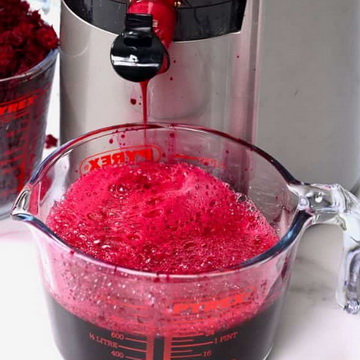 Freshly juiced beets are the gold standard if you have the time to make them at home. Nothing is lost to pasteurization, and you get the nitrates, betalains, vitamins and enzymes at their freshest and most active.
Store-bought bottled beetroot juice is gently heated to make it shelf-stable, which unfortunately degrades some of the more sensitive nutritional compounds.
Enzymes in particular are easily oxidized once extracted with juicing. Even with refrigeration you’ll start losing them quite quickly. That’s why it’s recommended to drink freshly made fruit and vegetable juices as soon as possible after extracting them.
So fresh and raw beet juice is best. The downside is time and effort. You need a good juicer, a steady supply of beets, and the willingness to clean up the mess afterwards. If you can manage that then drinking homemade juice will provide maximum benefits.
For most of us though, with busy lives and little time, a high quality bottled juice like Lakewood Pure Beetroot, or a highly concentrated powder like BioBeet Max Strength above, is the more realistic everyday option. There’s a much better chance you’ll use them consistently, and that’s when the many health benefits of beet juice become most noticeable.
Frequently Asked Questions
When is the best time to drink beet juice, in the morning or night?
I prefer to have my beetroot powder or beet juice in the morning before breakfast. Its nitrates can give you a natural energy increase for the day ahead. If you want a performance boost then having it about 2 to 3 hours before exercise also works well. While I wouldn’t personally have it in the evening, I’ve seen comments on Reddit from people saying it helps them sleep. This could make sense if it’s helping to lower blood pressure.
How often should you drink beet juice?
You can drink beet juice daily if you enjoy it and it doesn’t give you negative side effects. A single serving most days will be beneficial for reducing inflammation and moderating blood pressure. Just keep an eye on the sugar if you’re trying to lose weight, particularly with store-bought bottled beet juices.
What are common side effects of beetroot juice?
The most common side effect is beeturia, which is harmless pink or red colored urine and sometimes stool. Some people get mild digestive upsets if they take too much beet juice, particularly when they first start drinking it. There are a few other beet juice side effects and precautions to be aware of here.
How much beet juice should you drink daily?
Most research studies use around 8 fluid ounces, or 250 ml, of juiced beets per day. That’s enough to deliver a useful dose of nitrates and other nutrients. It’s best to start with a smaller amount the first few times to see how your body handles it.
Does beet juice have nitric oxide?
Beet juice doesn’t contain nitric oxide directly, but it’s rich in compounds called nitrates. Your body converts these nitrates into nitrites, and then into nitric oxide, which helps relax and widen your blood vessels. This is the simplified process behind most of beet juice’s circulation benefits.
Is beet juice powder good before a workout?
Yes, beetroot juice powders are a popular pre-workout supplement. The nitrates in this root vegetable can improve blood flow and oxygen delivery to your muscles, which may help boost endurance. For best results you should drink it around 2 to 3 hours before you start training.
Does Walmart sell beet juice?
Yes, Walmart stocks a good range of bottled beet juices, both in their stores and online. You’ll usually find bigger brands like Lakewood and R.W. Knudsen there. Availability will vary by location so it’s worth checking online first.
What is good to mix with beet juice?
Beet juice mixes well with pomegranate, carrot, apple, ginger, and citrus fruits like lemon or orange. These help soften its earthy taste and add their own complimentary nutrients. A small splash of apple juice is one of the most popular ways to make it easier to drink.
What is beet juice powder good for?
Powdered beet juice products are best known for supporting healthy blood pressure and circulation due to their high levels of natural nitrates. Concentrated beet juice also contains betalains, which are strong antioxidants, and betaine that supports healthy liver function. Many people use it for more energy and better exercise performance too. There are 18 different beet juice benefits in this new guide.
Is whole beetroot powder as good as beet juice powder?
The best whole beet powders like these are usually more affordable for regular use and do contain healthy fiber. However a concentrated beetroot juice powder like BioBeet will be higher in nitrates, antioxidant betalains and other valuable nutrition. In my mind, what’s best for you comes down to 3 things: your budget, your sensitivity to taste, and how often you’ll use a beet product. If you’re less likely to use it daily, know you have sensitive taste buds, and can afford it, then a premium beet juice powder will give you the most benefits when you take it.